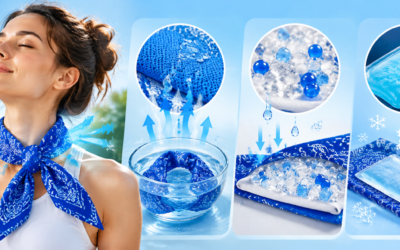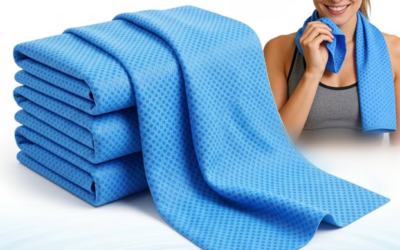
That funky smell after a sweaty hike and the gritty texture that wasn’t there out of the package make you hesitate at the laundry pile. Wondering if the wash will wreck the cooling feature you bought it for is fair. The PVA crystals and gel cores that chill your scarf in seconds are delicate, and hot water, a harsh spin cycle, or the dryer will kill that cooling effect for good.
Cooling scarves are reusable, and keeping them working is simple once you know the rules for your specific material. Here is how to wash, reactivate, and store your scarf so it holds up all season, along with the telltale signs that it is time to replace it.
Can You Wash a Cooling Scarf?

Yes, you can wash it. The right method depends on what is inside the scarf, since each material needs specific care.
Match your care routine to the material:
-
PVA (polyvinyl alcohol): Hand- or machine-wash in cold or lukewarm water with mild detergent. Skip bleach, fabric softener, ironing, and the dryer. Air-dry flat; heat ruins the water-holding structure that lets these activate in about 30 seconds.
-
Microfiber evaporative fabric: The easiest of the bunch. Most are machine-washable and stay cool for 45–90 minutes, depending on humidity.
-
SAP / absorbent crystals: Wash gently without hot water or wringing. Give the scarf extra soak time so the polymer expands evenly.
-
PCM gel: These are pre-cooled rather than soaked. Check the label, as some tolerate a gentle machine cycle while others require spot cleaning.
-
Electronic/Peltier scarves: Never soak or machine-wash. Spot clean the outer surface only.
Always check the care label first. Heat, harsh chemicals, and hard wringing will ruin cooling performance.
How To Wash A Cooling Scarf: Step-By-Step Hand Washing Guide
Grab a basin and a few minutes. Hand washing is the safest way to clean a cooling scarf and protect the material. Here is how to do it.
1. Check the label and remove any add-ons. Detachable ice packs or gel inserts come out first. Wipe those down with a damp cloth rather than dunking them. Rinse the scarf under running water to clear away sweat and grit before it goes into the basin.
2. Fill with cool or lukewarm water. Stay under 30°C. Heat warps the fibers and shortens the lifespan of the scarf, so treat lukewarm as your upper limit.
3. Add a tiny bit of mild detergent. Use 2–3 drops for a single scarf. Skip bleach, fabric softener, and brighteners, because they coat the fibers and ruin the cooling effect.
4. Soak for 5–15 minutes. That gives the water enough time to break down body oils and dried sweat without over-saturating the internal PVA or gel layers.
5. Work the fabric carefully. Press and swirl it with your palms, focusing on the collar line and visible stains. Do not scrub hard, rub the fabric against itself, or yank at the seams.
6. Rinse clean. Keep swapping in fresh water until it runs clear and no longer feels slippery. Leftover detergent blocks evaporation and hurts cooling performance.
7. Press out excess water. Press down lightly or sandwich the scarf between two dry towels. Never wring or twist the fabric, which will stretch the material and tear the stitching.
8. Air-dry flat or hanging, away from sun and heat. Keep it clear of clothes dryers, irons, and radiators. Thicker scarves need 8–12 hours minimum before you pack them away, since trapped moisture breeds mildew quickly.
Skip these common mistakes:
– Using hot water to “sanitize”
– Wringing the scarf dry
– Adding fabric softener for extra softness
– Storing while still damp inside
Can You Machine Wash A Cooling Scarf? Material-Specific Rules
Whether you can machine wash a cooling towel depends on what is sewn inside the fabric. Toss the wrong type in with your gym laundry and you risk burst seams, leaked gel, or a scarf that stops cooling. Here is the breakdown by material.
Microfiber cooling scarves are the most forgiving. You can wash them on a gentle or delicate cycle with cold water and mild liquid detergent, as long as you do not overload the drum. Run an extra rinse cycle to clear out detergent residue, since leftover suds clog the fabric’s moisture-wicking pores.
Evaporative PVA scarves can go in the machine too, provided the care tag allows it. Because PVA stiffens as it dries, re-wet it after washing to restore its flexible feel.
Recommended settings when your label approves machine washing:
– Water: cold (lukewarm if the tag permits)
– Cycle: gentle, delicate, low-agitation
– Detergent: mild liquid, about half your usual dose
– Fabric softener and bleach: skip both
– Drying: air dry, never in the dryer
PCM gel and bead-filled scarves are the exception. Wash these by hand unless the manufacturer says otherwise. Spin cycles create pressure points that can burst seams, leaking gel into your washer and ruining the scarf’s weight and cooling performance.
For mixed microfiber-PVA blends, follow the stricter PVA rule. A zippered mesh bag provides extra protection either way.
Drying And Storage: Keeping Your Cooling Scarf Ready For Reuse

Cooling scarves get ruined during drying far more often than in the wash. Lay yours flat or hang it in a breezy, shaded spot away from direct sunlight, radiators, and hot vents. Sunlight degrades the polymer over time, while direct heat makes PVA brittle and prone to cracking.
Drying times vary by material:
-
Thin microfiber scarves: 8–12 hours
-
Thicker PVA scarves: 24–48 hours, especially in cold or humid rooms
The scarf is ready to store once the surface is dry to the touch, the core loses all cold dampness, and the fabric feels stiffer than when wet. Even after it looks dry, give it a few extra hours of airflow. Trapped moisture quickly causes mildew smells and dark spots.
Storing Your Cooling Scarf Correctly
Never pack it away damp. Keep it in a breathable cotton bag, a mesh pouch, or a vented container instead of sealed plastic, which traps moisture and invites mold. PVA hardens as it dries—this is normal, so do not force-fold or crease it, as that will crack the material. Roll it loosely or lay it flat instead.
The ideal storage spot sits around 10–21°C with 50–55% humidity, somewhere cool, dry, and well-ventilated. If you use the scarf daily, give it one full dry-out session each week to keep buildup from settling in.
How To Reactivate And Reuse Your Cooling Scarf For Maximum Cooling
Dunk the whole thing into cold water for 30–60 seconds. Thicker scarves or those with absorbent cores need 1–2 minutes to soak through.
The reactivation routine:
– Lift it out and press along the fabric from one end to the other until damp, without wringing the material.
– Give it a quick shake or snap for 3–10 seconds to spread the moisture and start evaporation.
– Wrap it straight onto your neck, forehead, or wrists. Repeat whenever it dries out—doing this multiple times a day works fine.
Staying cool during use: In hot, dry conditions, evaporative scarves hold their chill for 20–60 minutes. Once that cooling fades, re-wet the scarf under the tap, press out the excess, shake it, and put it back on. For an extra chill, place the damp scarf in the freezer for up to 20 minutes, but never leave it longer and avoid hot water.
How Often Should You Wash It?
Rinse right away after heavy sweating or exposure to pool water. For moderate use, wash every 2–3 sessions, or sooner if it smells off, feels sticky, or takes longer to absorb water. Stick to cold water and mild detergent, since bleach and fabric softeners coat the fibers and block reactivation.
Cooling Scarf Not Cooling Anymore? Quick Fixes
-
Bone dry: Soak it through again. Misting the surface will not work.
-
Dripping wet: Press out the excess water until the fabric is damp.
-
Residue buildup: Rinse clean with cold water.
-
Weak chill: Flip it, rinse again, or freeze for up to 20 minutes.
-
Slow absorption: Wash, rinse, and air-dry before restarting the soak-press-shake cycle.
-
Still nothing? Check if you have an evaporative model. These require airflow, so humid air will always make them feel less effective than dry air.
Material Care Comparison: PVA vs Microfiber vs SAP vs PCM Gel
Four cooling technologies, four different care philosophies. Mixing them up is the fastest way to turn a $20 cooling scarf into a $20 paperweight. Here is how each material cools you down and what that means for laundry day.
|
Material |
How It Cools |
Best Care Method |
Water/Temp |
Avoid |
|---|---|---|---|---|
|
PVA |
Soaks up water, releases it through evaporation (good for ~4 hours on some brands) |
Cold-water hand wash preferred; some tolerate gentle machine wash |
Cold water, up to 40°C max (Portwest-rated) |
Bleach, softener, solvents, dryer, iron |
|
Microfiber |
Fabric surface expands evaporation area, relies on airflow |
Gentle cold/warm machine wash, mild detergent |
Under 30–40°C, low spin |
Fabric softener (coats fibers, kills wicking) |
|
SAP |
Crystals swell, hold water, and release it over hours |
Hand wash outer shell only; never scrub the beads |
Cool/room temp; reactivate in 2–5 min soak |
Machine wash, wringing, hot water, bleach |
|
PCM Gel |
Pre-chilled gel melts at a set temperature |
Wipe gel core with damp cloth; wash removable shell separately |
Chill 15–60 min, or freeze 4–6 hrs for full effect |
Machine wash, puncturing, microwaving |
Proper care depends on which cooling mechanism you are protecting. PVA and microfiber need an open pathway to soak and evaporate, so detergent residue and fabric softeners ruin them. With SAP, the goal is keeping the crystals intact and distributed across the fabric; scrubbing causes clumping, shifts the beads, and bursts the seams. PCM gel only requires an airtight seal. Shaking or fanning the insert will not reactivate it, since it cools through a chemical phase change rather than evaporation.
PCM gel cores carry the highest machine wash risk and should never go in. SAP items are risky, PVA depends on the brand, and microfiber handles a gentle cycle without issue.
If the scarf has no care label, check whether it activates with water or in the freezer first, then follow the matching routine above.
How Long Does A Cooling Scarf Last?
A cooling scarf won’t last forever, even with careful handling. Expect 6–24 months of regular use. High-quality evaporative scarves can reach 2–3 years if you wash them carefully and let them dry before storing them.
Lifespan by material:
– Evaporative/microfiber: 1.5–2 years, the longest-lasting option
– PVA/chamois: 40–60+ effective wash cycles with proper care, reaching 80–120 cycles at most
– PCM gel: 12–18 months, or about 300–500 recharge cycles
– Peltier/electronic: 18–24 months, usually cut short by battery wear
– Instant-cooling gel formats: 3–10 uses before performance drops
Lifespan by usage intensity:
– Light use: 2–3 years
– Regular seasonal use: 1–2 years
– Daily heavy-duty use: 6–12 months before you see wear
Signs it’s time to replace: slower water absorption, shorter cooling time, lingering odors, frayed fabric, cracking, or leaks.
When To Replace Your Cooling Scarf: Warning Signs
A cooling scarf that won’t bounce back after washing is ready to be retired. Check yours monthly, and inspect it closely before races, trips, or long days outside when you need it most.
Replace your cooling scarf when you notice:
-
Persistent odor or mold: Odors linger after a full wash, rinse, and dry, especially alongside dark spots or discoloration. Storing the fabric damp or sealed in plastic feeds mold.
-
Sluggish water absorption: The scarf takes twice as long to soak, or patches start repelling water. Trapped sweat salts, detergent, or softener residue usually cause this. If a clean rinse doesn’t restore absorption, retire the scarf.
-
Weak cooling that won’t improve: You rewet the scarf, press out excess water, and snap it to activate, but it stays warm or loses its chill within minutes. Humid, still air slows evaporation, so rule the weather out first.
-
Cracks, holes, fraying, or thinning edges: Light surface fuzz is normal wear. Expanding tears, torn mesh, or thin spots reduce how much water the fabric holds and evaporates.
-
Shrinking, hardening, melting, or shiny patches: High heat from a dryer or iron permanently ruins the material.
-
Gel or bead leaks: Stop wearing the scarf if you spot wet marks, oily residue, surface crystals, or bulging.
-
Beads escaping stitching, clumping, or swelling abnormally: Throw the scarf away to prevent skin irritation or accidental ingestion.
-
Failing cooling core: Gel or PCM scarves usually run for 1–2 years before cooling windows shrink or cold spots become uneven, even with proper activation.
A well-maintained evaporative scarf lasts 1–2 years. Heavy daily use, direct sun exposure, and fabric softener will shorten that window.
Common Washing Mistakes That Damage Cooling Scarves
Most cooling scarf failures trace back to five habits, and the fixes are straightforward once you spot them.
Bleach is the biggest offender. Under ASTM D5034 tear strength testing, bleach weakens the fabric by up to 59%, leaving fibers brittle and yellowed. Skip it. If the scarf smells musty, soak it in a 1:3 ratio of white vinegar and water, then rinse clean.
Fabric softener ruins water absorption. It coats the fibers in a film that blocks the pores responsible for taking in and releasing water, so your scarf holds less moisture and stops cooling sooner. Stick to about one teaspoon of mild, unscented detergent and leave softeners out.
Hot water warps the structure. High heat deforms fibers, shrinks the fabric, and strips cooling performance. Keep water under 30°C, no matter how dirty the scarf looks.
Dryers and direct sun cause lasting damage. Dryer heat shrinks and stiffens the material, while prolonged sunlight fades color and breaks down fibers. Press water out with a towel, then air-dry flat or hung in the shade.
Aggressive scrubbing and wringing stretch seams and distort the cooling layer. Swirl the fabric by hand for 5–10 minutes, or place it in a mesh bag on a delicate machine cycle, washed separately from lint-shedding towels or denim.
Conclusion
Your cooling scarf is a reusable piece of kit that rewards a little TLC with months (sometimes seasons) of reliable chill. Get the cooling towel washing instructions right—gentle hands, cool water, no fabric softener—and you’ll keep that PVA or microfiber weave snapping back to life every time you soak it. Skip the wringing and the dryer, and you sidestep the most common ways people kill their scarf’s cooling power.
After your next sweaty session, rinse it, lay it flat, and let it dry before storing it away instead of tossing it in a drawer. Treat it like a small investment. A few minutes of care now means fewer replacements later, and a scarf that is ready whenever the heat hits.