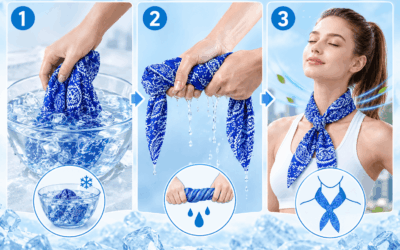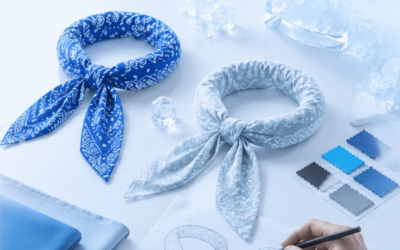

After summer ends, cooling scarves used throughout the season are often casually stored away in drawers or lockers. However, many people overlook one crucial point: how to store a cooling scarf is just as important as how it’s used.
Especially for PVA cooling scarves, folding or sealing them while still damp can easily lead to odors and even mold, affecting future use and the product’s lifespan. Conversely, simply cleaning and thoroughly drying them before storage, and choosing a suitable storage environment, will ensure your cooling scarf remains in good condition even when not in use for extended periods.
So, how should you store a cooling scarf when not in use? Can it be folded? Does it need to be completely dried? What are some common mistakes to make when storing it long-term? Below, we’ll explain the correct methods step-by-step, from short-term storage after daily use to long-term storage after the season ends, ensuring your cooling scarf remains clean and usable when the next hot season arrives.
Clean and Dry Your Cooling Scarf Before Storage
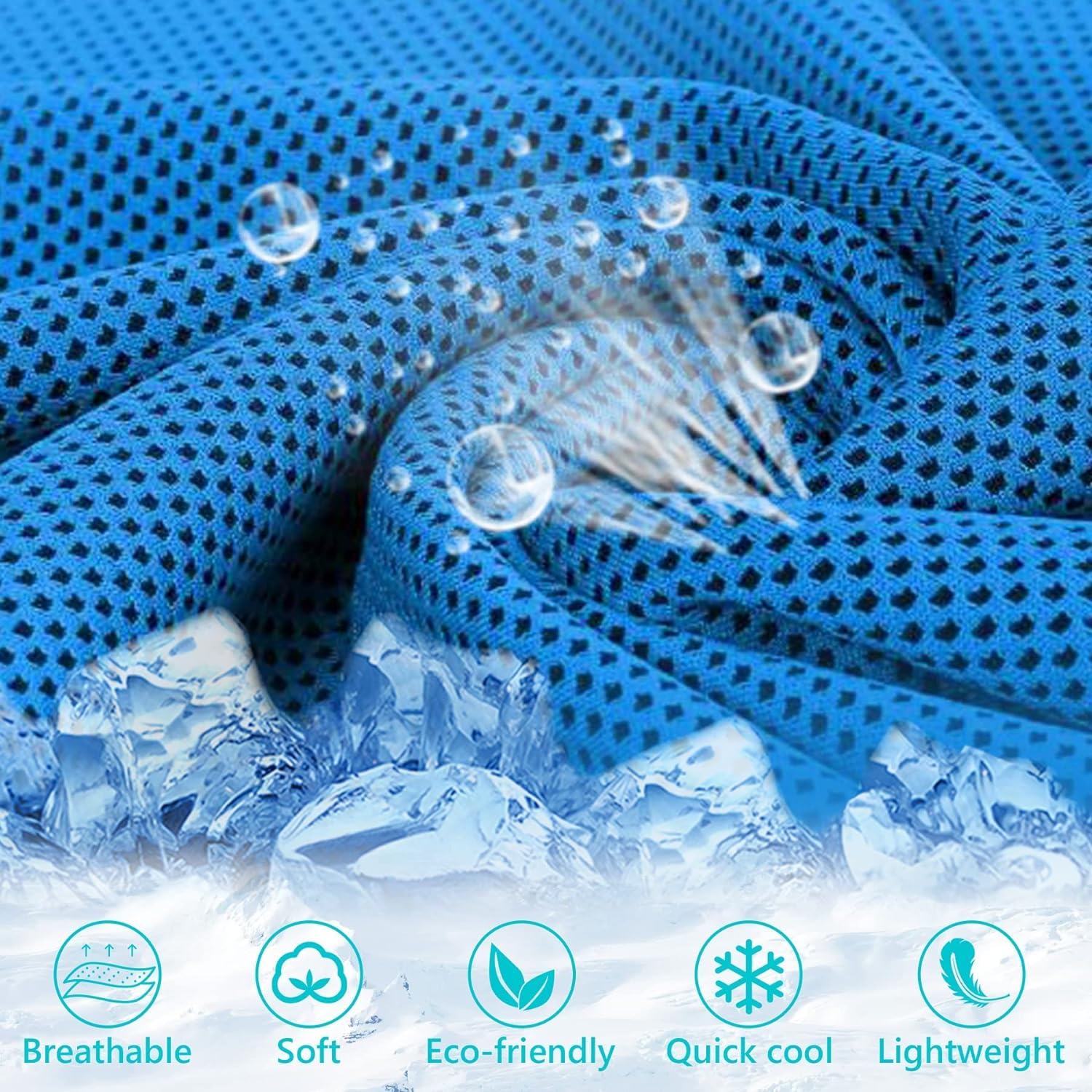
A quick rinse under the faucet isn’t enough here, friends. Before your cooling scarf goes into hibernation, it needs a proper wash and a little patience.
Washing:
– Hand wash only, using cool or lukewarm water. Hot water warps the fibers and shortens your scarf’s lifespan.
– Reach for a mild, gentle detergent; skip anything with bleach or harsh brighteners.
– Swish and gently squeeze the fabric. Don’t scrub, wring, or twist. Your PVA cooling scarf is more delicate than it looks.
– Five to fifteen minutes of soaking is plenty. Rinse thoroughly until the water runs clear.
Drying (this is where people rush it):
Press excess water out using a dry towel; don’t wring it. Then lay your scarf flat in a well-ventilated spot, away from direct sunlight (heat damages the material and can fade or degrade it over time). Skip the dryer entirely; even the lowest heat setting is risky for PVA cooling towels.
Surface-dry isn’t the same as fully dry. Give it 8 to 12 hours minimum, though some sources suggest up to 24-48 hours depending on thickness and airflow. You’ll know it’s ready when the center no longer feels cool or damp, and the fabric transitions from soft to slightly stiff. That stiffness is completely normal for PVA; it’s the material’s natural “dry” state, not a sign of damage.
Skipping this step is the number one reason cooling scarves develop that musty smell by next summer.
Choose the Right Storage Environment (Cool, Dry, Ventilated)
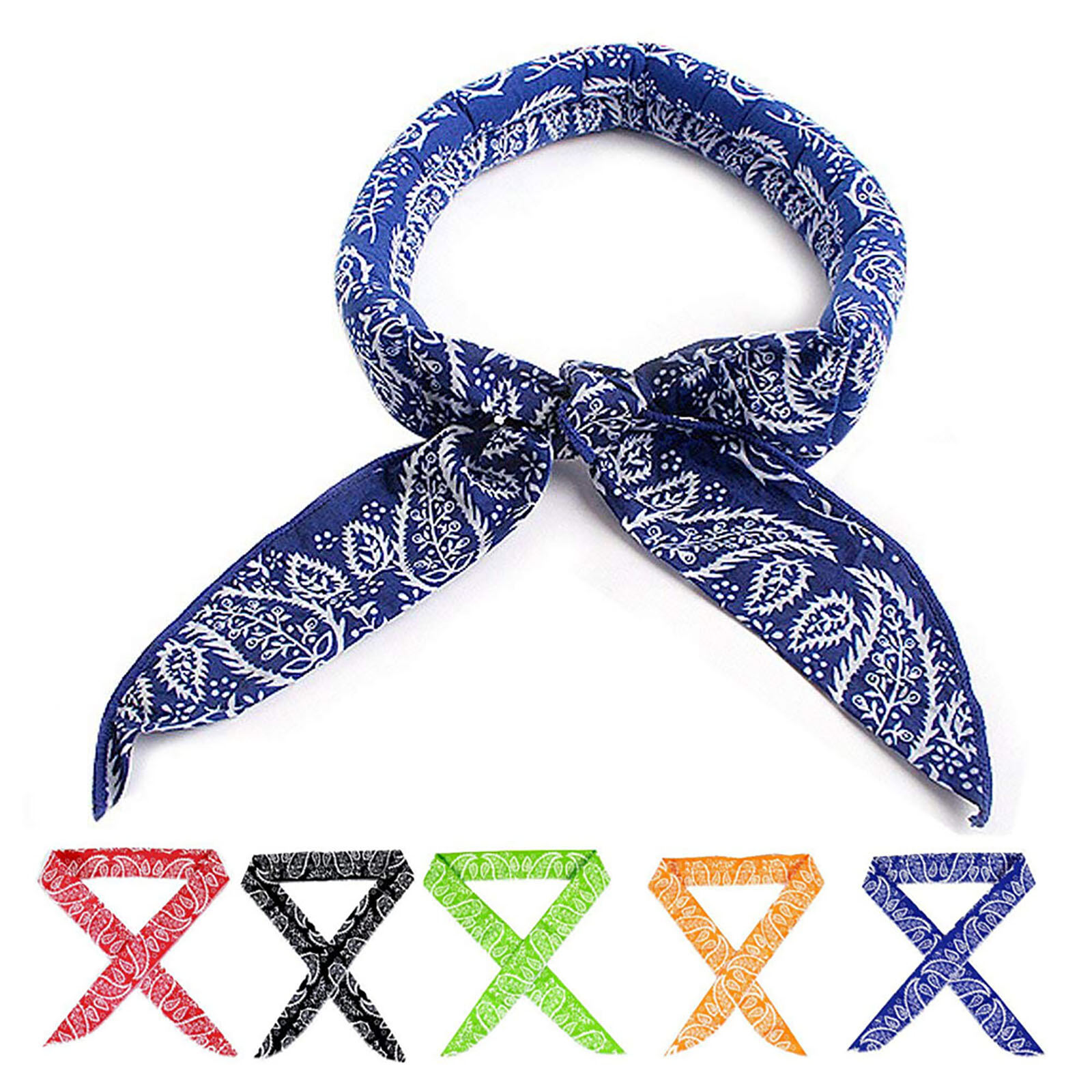
Once your scarf is bone dry, where you store it matters more than most people realize. The sweet spot for storage temperature is between 50–70°F (10–21°C), though if you can manage closer to 60°F, even better—that’s the range where PVA material stays stable without breaking down early. Humidity is the other half of the equation. Aim for 50–55% relative humidity. Lower is generally safer for cooling scarf storage, so don’t stress if your space runs a bit drier than that.
Good spots in your home:
-
An interior closet shelf or bedroom drawer, away from exterior walls and windows
-
A dedicated storage bin, especially helpful if your closet tends to run humid
-
A ventilated linen closet or pantry shelf with steady airflow
Spots to avoid entirely:
-
Basements trap moisture and invite mildew, one of the fastest ways to shorten your cooling scarf’s lifespan
-
Attics swing wildly in temperature and bake in direct sun, which degrades the fabric over time
-
Bathrooms stay humid even when they look dry, making them a mold magnet
-
Anywhere near a heater, stove, or sunny window speeds up wear and can warp the material
A few small habits go a long way here. Keep your scarf at least 6 inches off the floor if it’s in a basement-adjacent space (though honestly, we’d skip the basement altogether). Leave a little breathing room between your storage bin and the wall so air can circulate. If you’re the type who likes data, a $10 hygrometer from any hardware store will tell you exactly what’s happening in your closet, no guesswork required.
When in doubt, think “stable indoor cabinet first, sealed bin second, anywhere damp or sun-drenched last.” That order alone prevents most of the mold and odor complaints we hear about.
Select Proper Storage Container or Packaging

Not all storage containers are the same, and picking the wrong one can undo all that careful washing and drying. The original packaging is only for temporary storage. Even unopened, factory-sealed bags can develop tiny leaks at the seams over time, especially at the folds. PVA material is notoriously thirsty for moisture, so once that seal is broken, reseal it immediately after every single use.
For storage, breathable containers (cotton pouches, mesh bags, ventilated bins) work best for anything prone to trapping moisture. Air circulation helps. Sealed containers (zip-lock bags, hard plastic bins with gasket seals) are fine for short-term storage, up to three to six months, but only if the scarf is completely dry first. Trapped humidity in a sealed container creates a swampy little terrarium, and that’s a fast track to mold.
Skip untreated wood shelves or unfinished drawers. Raw wood absorbs ambient moisture and can transfer musty odors straight into your cooling towel. Stick to sealed-finish surfaces like laminate, coated metal racks, or lined bins instead.
Short-Term vs Long-Term Storage: Key Differences
Not every “not right now” is the same. Tossing your cooling scarf aside for a week between beach trips is different from packing it away for six months of snow and sweaters. Treating both the same way is where cooling towel mistakes happen.
Short-term (1–2 weeks): Keep it simple. Rinse or wash, dry it completely, then hang it somewhere cool and ventilated. Skip sealed bags entirely — you’ll want easy access anyway.
Long-term winter storage asks more of you. The goal shifts from convenience to protection against mold, mildew, pests, and pressure marks. Follow this order:
-
Wash thoroughly (no shortcuts here)
-
Dry completely, then let it air out a few extra hours just to be safe
-
Sort by material if you’re storing multiple cooling accessories together
-
Lay flat or loosely fold rather than hanging long-term (hanging for months can stretch or crease PVA fibers)
-
Place in a breathable pouch with a small desiccant packet
-
Store somewhere humidity stays under 50%, ideally 60–70°F
Ice Bear’s own storage guidance for products like the Brisk Bear Ice Bath Tub follows the same logic: deflate, remove support rods, fold neatly once dry, tuck into the included storage bag, and keep it somewhere cool, dry, and out of direct sunlight. That “dry, fold, cool, dark” formula is the industry standard, and it applies just as well to your cooling scarf.
Never store anything damp for winter. And never trust a hot attic or damp basement to keep it safe until summer returns.
Can You Refrigerate a Cooling Scarf for Storage?
Short answer: yes, but only for the short haul. Uline’s own care instructions say it plainly: “If used daily, store the damp towel in the refrigerator in a plastic bag or the original packaging.” Frogg Toggs backs this up too, confirming fridge storage works fine for cooling towels used day to day.
Here’s where it makes sense:
-
Daily rotation: Keep the scarf damp and tuck it into a plastic bag or its original packaging between uses. This holds moisture and keeps that instant cooling towel effect ready to go.
-
Pre-cooling before wear: Some products, including certain Japanese cooling scarf brands, recommend chilling for about 1 hour to deliver 2–3 hours of cooling sensation.
-
Quick cooling boost: General guidance for cooling scarves suggests 30 minutes to 2 hours in the fridge for a stronger chill right before you need it.
The freezer is a bad idea. Water-loaded PVA material turns brittle and stiff when frozen, which shortens your cooling scarf’s lifespan fast.
If you’re packing away for the season, skip the fridge. Long-term storage needs a fully dry scarf—sometimes taking a week or longer to dry out completely—then a cool, dry cabinet, not cold storage.
How Often Should You Clean Your Cooling Scarf Before Storing
How often you clean it depends on how hard you worked it. A quick lap around the block calls for different treatment than a full day of yard work in 95-degree heat.
A rough guide:
– Heavy sweat or intense outdoor use: Wash it the same day. Sweat, oils, and salt build up fast, and letting them sit is asking for trouble.
– Everyday light wear: Rinse or gently wash it after each use if it touched bare skin or got damp.
– Barely-used or quick test runs: You can stretch it to one or two wears before washing, but clean it before it goes into storage.
Before packing it away, check for odor, gray or yellow spots, a stiff or tacky feel, or weaker cooling after you wet it again. Those mean it needs a proper wash, not just a rinse. If it was ever stashed away damp, deep-clean it before storing again.
Common Mistakes That Damage Cooling Scarves During Storage
We’ve all shoved a damp cooling scarf into a gym bag after a workout, zipped it shut, and forgotten about it until three days later when it smells like a locker room. That one habit alone causes most of the mold complaints we hear about. Sealing anything damp traps moisture in a warm, dark, airless pocket, and that’s the exact recipe bacteria and mildew need. Once still air hits 80% relative humidity, mold starts spreading on fiber materials. The safe zone sits between 45–60% RH, and going above that for any length of time invites musty odors and dark spotting.
Balling It Up in a Gym Bag
Cramming your cooling towel into a tight wad and leaving it there for weeks does real damage. Repeated bending and friction fatigues the fiber structure, and once that happens, the material loses its ability to absorb and release water efficiently. Since cooling scarves work by storing and evaporating moisture, weakened fibers mean weaker cooling. Skip the ball-and-stuff method. Lay it flat or roll it loosely instead.
Bleach, Hot Water, and Aggressive Scrubbing
Chlorine bleach is brutal on polyester and microfiber blends. Bleach exposure causes up to a 59% loss in tear strength (per ASTM D5034 testing), along with yellowing and brittleness. Hot water and hard scrubbing speed up that same breakdown, pushing surface damage deeper into the fabric.
FAQ: Cooling Scarf Storage and Maintenance
Real questions from people who’ve stared at a mildewy cooling scarf and wondered where it all went wrong.
Can I machine wash my cooling scarf?
Usually yes. Most PVA cooling towels handle a gentle, cold-water cycle just fine. Skip fabric softener, skip the heat, and never toss it in the dryer. That combination wrecks the fiber’s water-holding structure.
My scarf feels warm again. How do I reactivate the cooling effect?
Soak it in cold water for 2–5 minutes, gently squeeze out the excess, then snap it a few times through the air. That snapping motion matters more than people realize. Rewetting without it gives you weaker results.
How do I get rid of mold smell?
Rinse first, then wash in hot water (120–140°F) with white vinegar. For stubborn spots, soak one hour in a gallon of warm water plus a tablespoon of bleach. Rinse thoroughly and dry completely. Bleach can fade color, so use sparingly.
When should I replace it?
Look for reduced cooling, lingering odor after washing, cracking, or permanent stains. Most cooling scarves last 6–24 months with regular use.
Conclusion
Properly storing a cooling scarf isn’t complicated. The key is to do three things: thoroughly dry it before storing, store it in a cool, well-ventilated environment, and choose the appropriate method based on whether it’s for short-term storage or long-term seasonal storage. Especially for PVA cooling scarves, never seal them directly while they are damp, as this can easily lead to odors, mold, and may affect the material’s condition and the next use.
Spending a few extra minutes cleaning and drying after each use will help your cooling scarf maintain better condition throughout the summer and even multiple seasons. When the next hot weather arrives, you should have a clean, reusable cooling scarf, not one with an odor and chronic dampness.
ICEBEAR TECH’s Cooling Scarf series is designed for various uses, including everyday outdoor activities, sports, and high-temperature work. If you would like to learn more about the use, cleaning, and storage of cooling scarves, or are looking for Cooling Scarf OEM/ODM solutions for your brand and retail business, please visit ICEBEARTECH for more product and customization information.