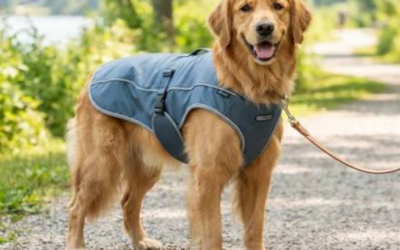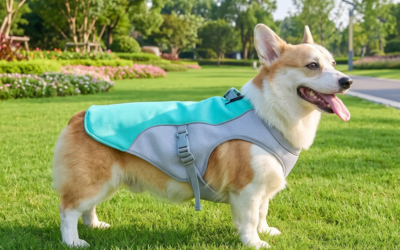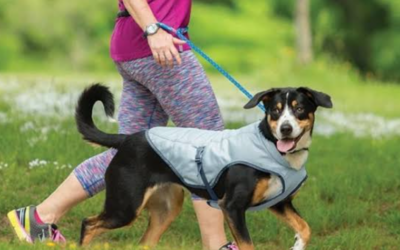
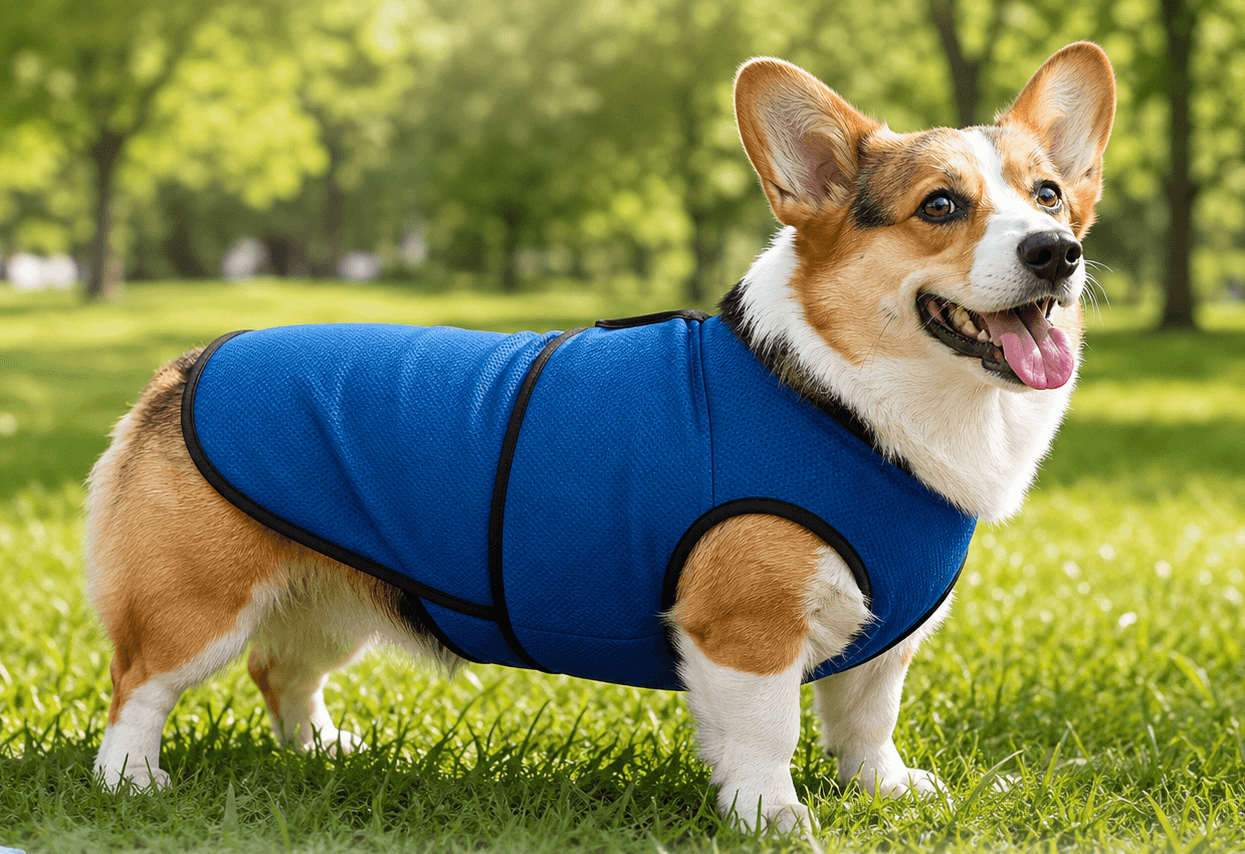
You slipped a cooling vest on your dog before heading out into the summer heat, feeling pretty good about yourself—until a nagging thought creeps in: wait, how long is this actually supposed to stay on? It’s a fair question, and one that doesn’t get answered clearly enough. Leave a cooling vest on too long, and you might not be helping your pup at all—you could even be masking early signs of overheating. Leave it off too soon, and you’re missing out on the relief it’s designed to provide.
There’s a simple, vet-backed rule of thumb for dog cooling vest safe hours, plus clear warning signs that tell you it’s time to take the vest off right now. We’ll walk through exactly how long your dog can safely wear a cooling vest, what affects that window, and how to get the most cooling power out of every wear.
Dog Cooling Vest Wear Time: The 1-4 Hour Rule Explained
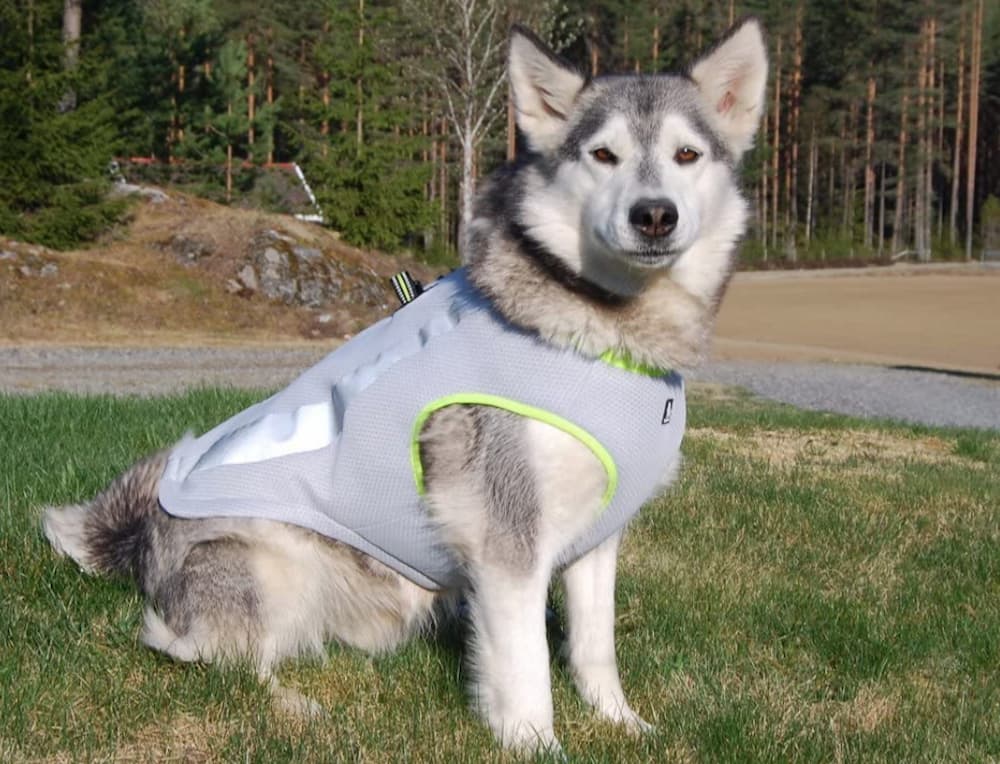
Most evaporative dog cooling vests work best within a 1–4 hour window before they need a re-soak. That’s the sweet spot backed by both manufacturers and vets, though the exact number changes depending on what’s happening around your dog.
The Core Numbers to Know
-
1–3 hours is the tighter, more conservative benchmark, especially in hot, dry weather where evaporation happens fast.
-
1–4 hours is the practical middle ground most dog owners can rely on for everyday summer walks.
-
2–6 hours shows up in milder conditions or with higher-performance vest designs that hold moisture longer.
What Actually Changes That Window
A handful of variables speed up or stretch out how long your dog’s cooling vest stays effective:
-
Temperature — the hotter it gets, the faster the vest dries out and stops cooling.
-
Humidity — high humidity actually works against evaporative cooling, cutting wear time shorter than you’d expect.
-
Sun exposure — direct sunlight drains cooling power quicker than a shaded path.
-
Activity level — a brisk run or hike dries the fabric faster than a slow neighborhood stroll.
-
Dog size and breed — bigger dogs, heavily coated breeds, and brachycephalic dogs (think bulldogs, pugs) need shorter sessions and more frequent check-ins. Their bodies run hotter and regulate temperature less efficiently.
Matching Wear Time to Activity
Here’s how it breaks down in real-life scenarios:
-
Short sunny walk: about 1–2 hours, then re-wet as needed.
-
High-heat hike or run: closer to 1 hour, sometimes stretching to 2, before performance drops.
-
Moderate outdoor time: 2–4 hours is reasonable if the vest stays damp and there’s decent airflow.
-
Resting in shade or indoors: cooling lasts longer, which is why some designs are marketed for all-day wear with periodic checks.
If the vest feels dry to the touch, it’s done its job. Re-wet it before putting it back on.
Dog Cooling Vest Safety Signs – When to Remove Immediately
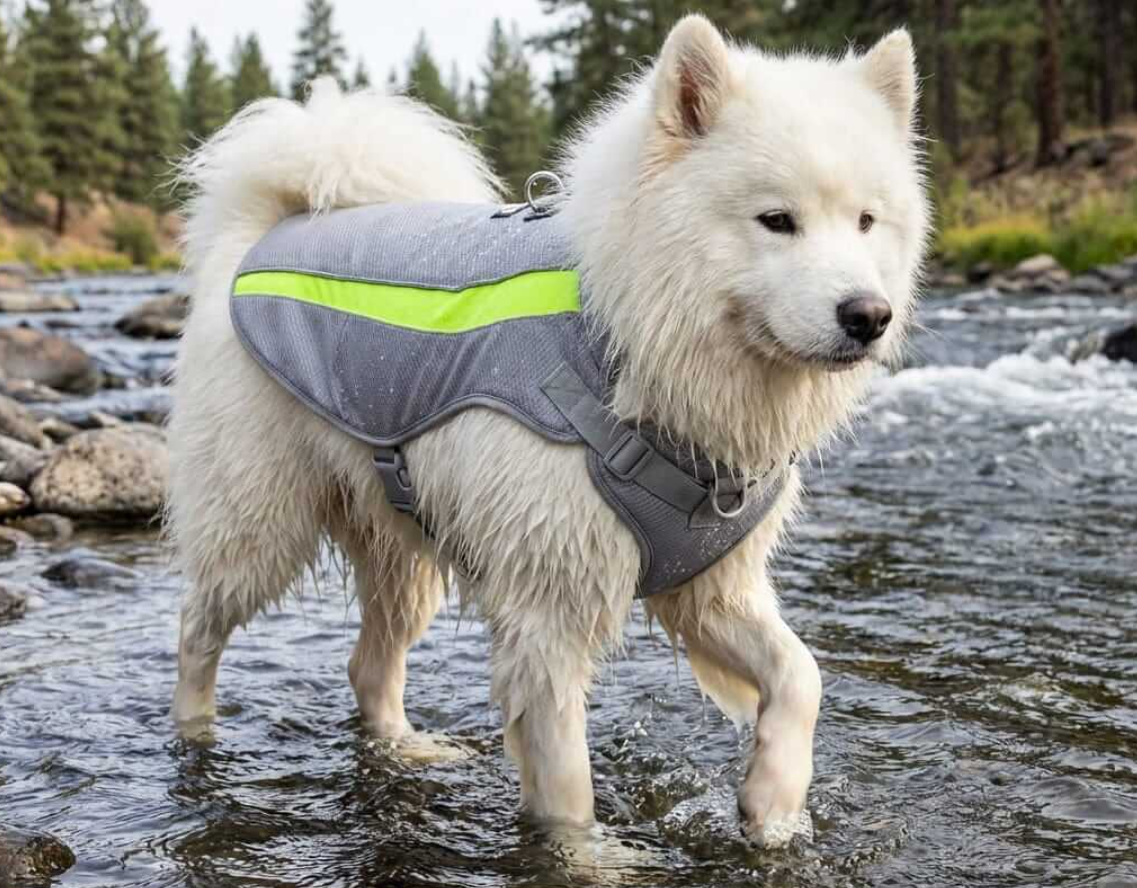
A cooling vest can only do so much, and sometimes it masks a problem. Watch your dog closely, and don’t rely only on the thermometer.
These are high-risk signs. Stop everything right now:
-
Heavy, non-stop panting or visible trouble breathing
-
Gums or tongue turning bright red, then pale, purple, or blue
-
Sluggish movement, wobbliness, or sudden weakness
-
Thick, stringy drool
-
Seeking shade or refusing to keep walking or playing
-
Vomiting, diarrhea, seizures, collapse, or disorientation—these are emergencies
A few combinations are especially telling. Panting + red gums + drooling usually means heat stress is already setting in. Panting + weakness + shade-seeking is a classic early heat exhaustion pattern. Wobbliness + collapse + confusion is a 911-level moment—remove the vest, cool your dog with water, and get to a vet.
Beyond emergencies, there are cooling vest dog side effects worth knowing. Constant dampness against skin, especially at the armpits, chest, and belly folds, can cause chafing, redness, or matted fur. A vest can also trick you into thinking your dog is fine longer than they are, delaying the shade break they need.
The vest is a helper. It doesn’t replace water, rest, or shade. The moment you spot these dog overheating symptoms, stop the activity, move to a cool spot, offer water, and wipe your dog down with cool water. Only put the vest back on once things have settled.
How to Use and Re-Wet a Cooling Vest for Dogs
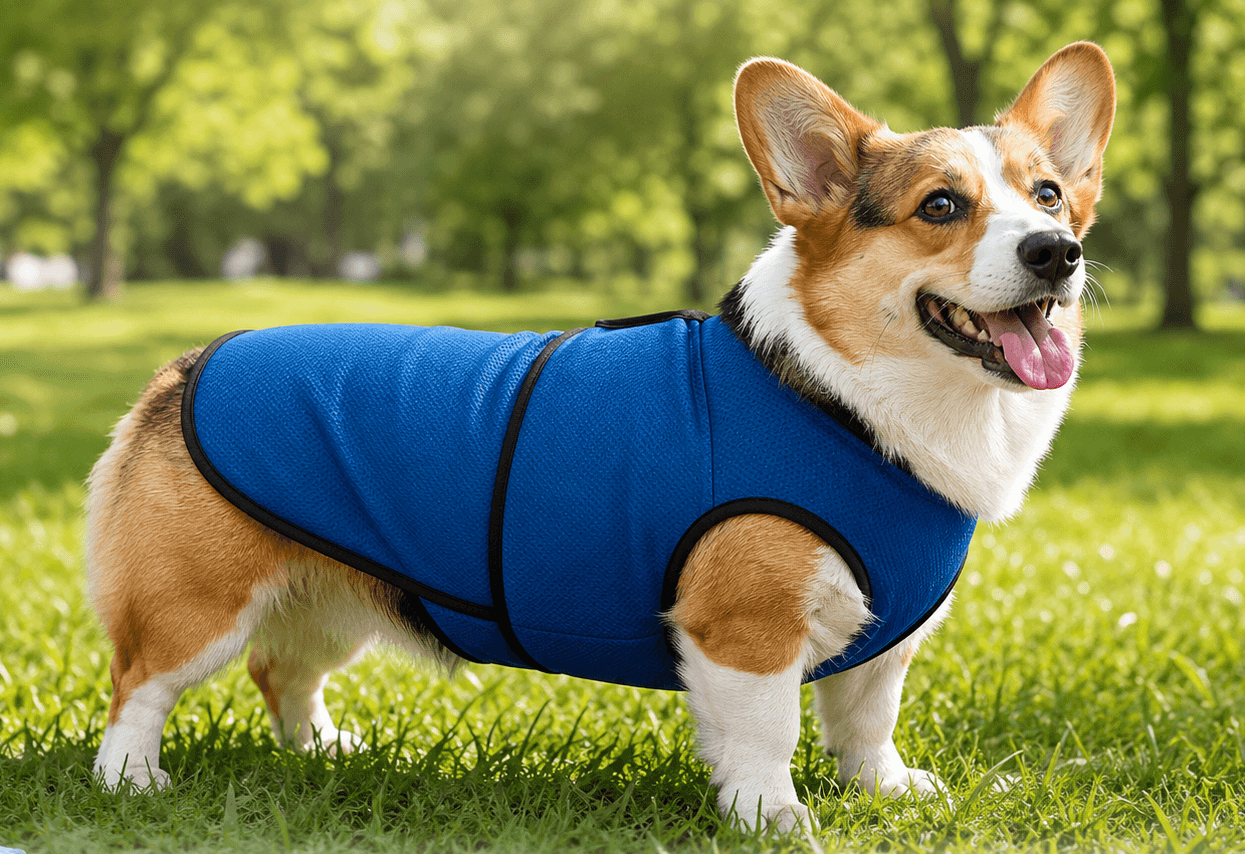
A cooling vest is only as good as how you use it. Get the soaking and fit right, and you’ll actually feel the evaporative cooling dog vest working. Skip a step, and you’re just putting a wet piece of fabric on your dog.
Getting Started
Soak the vest in cold water for 2–3 minutes. Then wring it out gently—you’re aiming for damp but not dripping. Slide it over your dog’s head or front legs, secure the straps, and check the fit. It should feel snug but never tight. You should be able to slip two fingers underneath comfortably, with full room for your dog’s shoulders to move and breathe easily.
When to Re-Wet
The best clue is touch. When the fabric feels dry or noticeably warmer, that’s your cue. A dried-out vest loses its flexibility and stops pulling heat away.
To re-wet, hold it under cold running water for 60–90 seconds, or dunk it in a bucket of cool water. Simple as that.
Check-in frequency depends on the weather:
-
Hot, humid days — check every 30–60 minutes; evaporation slows down, so the vest stays wet longer but cools less.
-
Mild or dry conditions — check every 1–2 hours; evaporation happens faster, which actually helps the cooling effect.
Even with a vest on, keep offering shade and water. If your dog seems restless or pants harder, adjust or remove it right away.
Simple Maintenance
Hand wash in cold water (check the label—some brands allow gentle machine cycles). Close all fasteners first. Skip the dryer and direct sun; let it air dry. For storage, a slightly damp vest can sit in a sealed bag short-term, but for longer breaks, make sure it’s completely dry before putting it away.
Best Scenarios to Use a Cooling Vest: Walks, Hikes, and Outdoor Events
Not every outing calls for a cooling vest, and knowing which ones do makes all the difference. The vest works best in warm weather with some direct sun, during an activity that runs long enough for evaporative cooling to kick in but hasn’t tipped into dangerous heat territory.
Where a Cooling Vest Shines
Moderate walks, hikes, jogs, beach trips, backyard play, and short outdoor errands are all good matches. A quick 10-minute stroll around the block won’t give you much payoff, since evaporative cooling needs time to work. Anything under 20–30 minutes isn’t worth it. Medium-to-long walks, hikes, and slow jogs are the real match, often covering a solid 1–4 hours depending on temperature, humidity, sun, and fabric.
Beach days and backyard hangouts call for a different rhythm: soak, wear, re-soak. Many evaporative vests hold up for 2–4 hours in typical summer conditions, though owners in milder UK summers often re-wet closer to every 45–90 minutes.
Temperature Triggers Worth Knowing
Once it hits 75°F (24°C), heat-sensitive dogs benefit from a vest. Past 85°F (29°C), most dogs need extra caution. Brachycephalic breeds like French Bulldogs, English Bulldogs, and Pugs should suit up even earlier, around that same 75°F mark, since their airways don’t cool as well.
Where It’s Not Enough
Intense sprinting, prolonged high-heat runs, or any sign of moderate heat stress (heavy panting, bright red tongue, shade-seeking) means it’s time to stop the activity, not just rely on the vest. And in air-conditioned spaces, the vest barely earns its keep.
Can Dogs Wear a Cooling Vest All Day? Addressing Common Myths
I often hear people say, “Just leave it on, it can’t hurt.” But it can hurt. For most standard evaporative vests, all-day wear isn’t the benefit it sounds like. The fabric stays damp against your dog’s skin for hours, and that’s where the problems start.
Why “All Day” Isn’t the Goal
Third-party testing typically puts cooling vests in a 2–6 hour effectiveness range before they need reactivation. One exception: some patented dry cooling designs (phase-change technology, not evaporative) are marketed for wear throughout the day. But even those brands recommend adult supervision.
The Skin Issue
Wet fabric sitting against fur for too long can cause skin maceration and fold dermatitis, especially around wrinkles, armpits, neck folds, and tail pockets. If your dog has any skin folds, check every 20–30 minutes for dampness, redness, or clammy skin. For non-wicking designs sitting directly against skin, some vet-oriented guidance suggests capping wear at under 30 minutes.
Size Matters More Than You’d Think
Larger dogs (50 lb and up) tend to handle vests better. The fit stays stable. Smaller dogs face more slippage and uneven contact, so fit and moisture checks matter even more than total wear time.
The Bottom Line on Natural Cooling
Dogs cool primarily through panting, not sweating. A vest supports that process during rest or pre-activity. It doesn’t replace it. And in humid conditions, a damp vest can actually work against you.
Choosing the Right Dog Cooling Vest for Longer, Safer Wear Time
Not all cooling vests are built the same, and that difference shows up in wear time. A good evaporative cooling dog vest uses a three-layer structure—outer heat-reflective layer, middle water-storage layer, inner moisture-wicking layer—so it holds moisture longer and cools more evenly. IceBearTech’s Cooling Dog Vest is a solid example. It’s built for sustained evaporative cooling, not a quick chill that fades in twenty minutes.
Fit matters just as much as fabric. A loose vest shifts during walks, chafes at the armpits, and loses contact with the skin where cooling matters most. Look for adjustable straps and sizing that matches your dog’s chest and neck measurements closely.
Lightweight materials make longer outings easier. Icebeartech uses a soft, flexible fabric designed for extended walks or hikes without weighing your dog down.
UV protection is worth paying attention to in sunny climates. The GF Pet IcebearTech Ice Dog Vest offers 4–6 hours of cooling with UV protection, so your dog stays safe longer on bright days.
At icebeartech.com, our cooling vests use fast-absorbing, quick-evaporating fabric with a snug, adjustable fit. Your dog starts cooling sooner and stays comfortable longer, without the slippage or friction you get from ill-fitting designs.
Conclusion
Keeping your pup safe in the heat takes a little attention. Stick to the 1-4 hour window, watch for warning signs like excessive panting or red skin, and always re-wet the vest so the evaporative cooling keeps working. Dog heat stroke prevention comes down to timing, observation, and a little TLC.
A quality dog cooling vest should feel like relief, something your dog wants to wear on a scorching walk. If you’re still wrestling them into a vest that overheats fast or loses its chill after twenty minutes, it might be time for an upgrade.
Take a look at IceBearTech’s cooling vest lineup, built for longer safe-wear time and real comfort.