That summer stink hitting your dog’s cooling vest again? You’re not alone, and tossing it in the wash without a second thought could be exactly what kills its cooling power.
A gel-filled vest, an evaporative cooling vest, and a sleek PVA material each have their own cleaning quirks. The wrong water temperature, a stray bleach-based detergent, or an overzealous spin in the dryer can quietly strip away the technology that keeps your pup comfortable on hot days.
This guide walks you through how to wash a dog cooling vest—by hand or machine—based on its material, how often you should clean it, and the small mistakes that shorten its lifespan fastest.
Before You Wash: Check Care Label & Remove Inserts

Skip the care label at your peril. That little tag tells you the water temperature, whether to hand wash or machine wash, and if bleach is allowed (usually, it’s not). Some industrial-grade cooling vest labels cap you at 25 total washes, so read before you soak.
Next, hunt for removable pieces. Check for Velcro flaps, zippered pockets, or snap closures that lead to gel packs, ice inserts, or liners. Gently press along the seams if something’s stuck; never yank or you’ll tear the stitching.
With any material, wipe the gel inserts down, don’t dunk them, soak only the outer shell.
How to Hand Wash a Dog Cooling Vest (Step-by-Step)
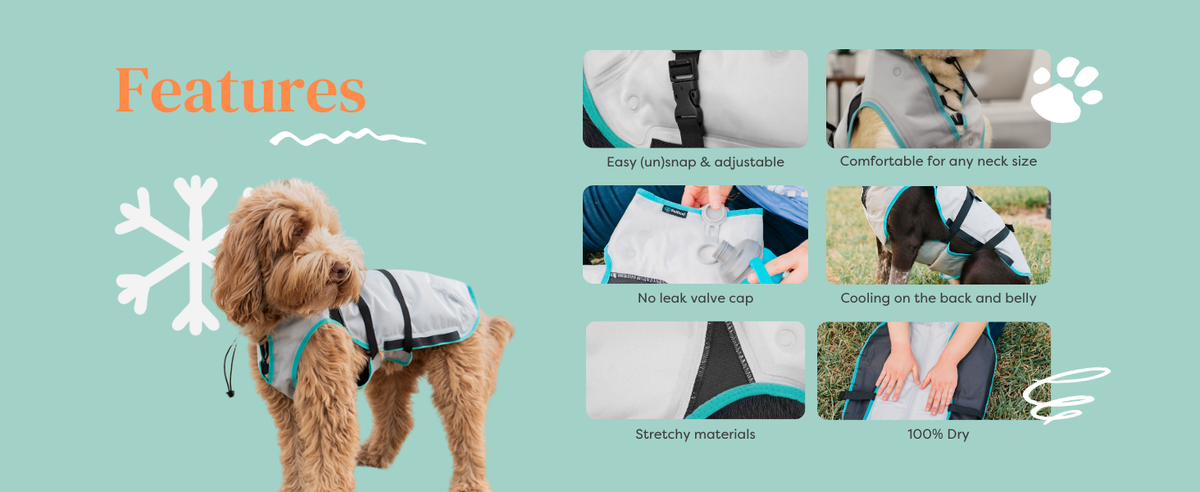
Sealed cooling chambers, non-removable gel capsules, no machine-wash label anywhere in sight—these are your cues to hand wash, full stop. Some manufacturers spell it out bluntly: “never submerge, machine-wash, or wring.” If your vest has that kind of sealed construction, treat it gently and locally rather than dunking the whole thing.
For vests with removable gel packs, pull those out first and clean the outer shell separately. Sewn-in channels that don’t open? Don’t force them apart—wipe the surface instead of full hand washing.
Here’s the process that protects the material:
-
Inspect first. Look at seams, Velcro, seals, and cooling chambers for cracking, whitening, bubbling, or tackiness. Anything off, stop and skip the wash.
-
Remove what comes off. Gel packs, inserts, padding—all out. Never force fixed pieces apart.
-
Fill a basin with cool to lukewarm water. Hot water is the enemy here, full stop.
-
Grab a pH-neutral, fragrance-free, pet-safe detergent. Low-suds, low-irritant formulas work best—think sensitive-skin laundry soap without the perfume.
-
Swish gently by hand for 30–60 seconds. Press and squeeze lightly to lift dirt. Skip scrubbing at seams or gel-lined edges, and don’t twist.
-
Keep soaking brief. If you need to soak at all, cap it at 5–10 minutes max.
-
Rinse in fresh water, 2–3 changes minimum. You’re done when the water runs clear with zero suds or slippery residue.
-
Skip the wring. Roll it in a towel and press to absorb water instead—twisting stresses seams and gel seals.
-
Air dry flat in a shaded, ventilated spot. No sun, no dryer, no radiator, no blow dryer. Heat degrades gel and phase-change materials fast.
-
Wait for full dryness before reassembly. Vest and inserts both need to hit room temperature, bone dry, before you put them back together.
Detergent Do’s and Don’ts
Stick with pet-specific, fragrance-free, low-residue formulas when possible. A mild baby detergent or hypoallergenic laundry soap works in a pinch as long as it’s free of bleach, softeners, and heavy fragrance. Skip anything with enzymes or strong perfumes; they can linger in the fabric and irritate sensitive skin.
How You’ll Know It’s Clean
No foam on the water’s surface. Fabric feels smooth, not slick or tacky. Squeezed-out water runs clear, not soapy. And any lingering smell is just clean fabric—not detergent, not dog.
How to Machine Wash a Dog Cooling Vest (When Allowed)
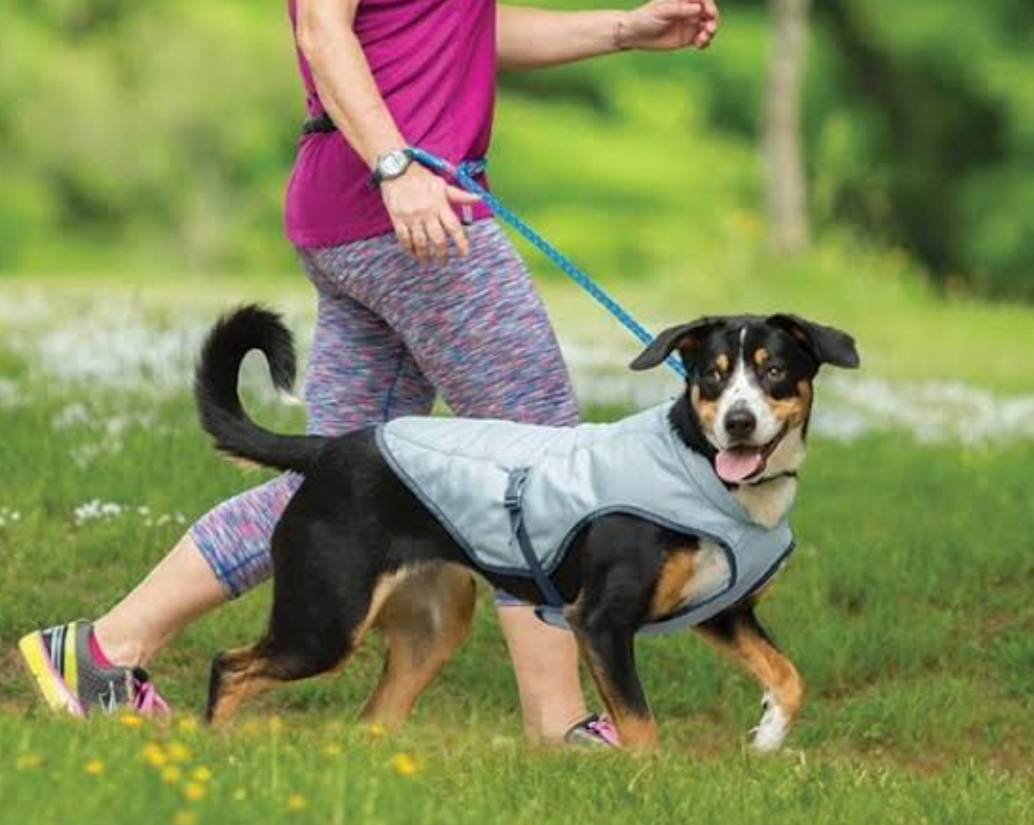
Some dog cooling vests can handle a machine wash, and finding those saves you time on laundry day.
Check the label. Look for phrases like machine wash, wash at max 40°C / 104°F, or gentle cycle — these signal you’re cleared for machine washing, with a few conditions. If you see do not machine wash or never machine wash, skip this section and hand wash.
Machine Wash Settings That Protect the Material
Most manufacturers cap water temperature at 40°C / 104°F, though some stricter brands drop that to 30°C / 86°F. Use the gentle or delicate cycle every time. Spin speed matters too. Manufacturers rarely list an exact number, but they all agree on low friction, minimal agitation, and little to no spin.
Prep Before You Press Start
-
Confirm the label allows it. Any hint of “do not machine wash” means you’re hand washing instead.
-
Remove everything detachable. Gel packs, ice inserts, weighted pads — pull them all out first.
-
Close every opening. Zippers zipped, Velcro pressed flat, buckles snapped, fill caps sealed tight. Manufacturers often phrase this as “Secure all Velcro, press studs, and buckles before washing.”
-
Use a mesh laundry bag. This reduces friction against seams, hardware, and fabric edges. Choose a bag one size larger than the vest itself. It should be snug enough to prevent excessive tumbling but loose enough that fabric isn’t crushed or folded too tightly.
-
Select gentle/delicate, 30–40°C, low or no spin.
-
Skip the dryer entirely. Lay flat or hang to air dry. Every reputable brand warns: “Do not tumble dry; allow to air dry completely.”
How to Wash Dog Cooling Vests Made of Different Materials?
Different types of dog cooling vests use different cooling materials, and therefore require different washing methods. This is especially true for PVA, gel, and vests with sealed structures; improper washing or drying can affect absorbency, the sealing structure, and lifespan.
PVA / Evaporative Cooling Vest
PVA or evaporative cooling vests primarily rely on absorbing water and evaporating to remove heat, so they should be washed gently.
Hand wash with warm water and a neutral detergent. Do not soak for extended periods or rub vigorously. After washing, gently press out excess water; do not wring out like regular clothing. Then, air dry in a cool, well-ventilated place.
PVA material may harden after complete drying, which is a normal characteristic of some products. It will usually regain its softness after re-soaking. Avoid using bleach, a dryer, or an iron.
Gel-Filled Cooling Vest
If the vest has a removable gel pack, it is recommended to remove it first and then wash the outer vest separately. The gel pack itself usually only needs to be wiped with a damp cloth; direct soaking or machine washing is not recommended as it may affect the sealing structure.
The outer fabric can be gently hand-washed in cold or warm water and then air-dried. Reassemble only after ensuring both the vest and gel pack are completely dry.
Sealed-Tech Cooling Vest
Products with waterproof coatings, heat-sealed seams, or other sealing structures should be washed according to the manufacturer’s care label. Some styles can be machine washed gently at low temperatures, but zippers and Velcro should be closed beforehand, and bleach, fabric softener, and high-temperature tumble dryer should be avoided.
Which is easiest to maintain?
From a daily maintenance perspective, ordinary evaporative cooling vests are generally simpler; gel-filled vests require the cooling pack to be removed and cleaned separately; products with special sealing structures rely more on the specific care label requirements.
Regardless of the type, the most important thing is to confirm before cleaning that the internal cooling material is safe to come into contact with water, and then thoroughly dry it after cleaning. This is safer than operating according to a fixed temperature or soaking time.
Drying Ruins More Cooling Vests Than Washing Does
Drying is the stage that ruins most cooling vests. A soaking wet vest is at its heaviest and most vulnerable, and how you handle it determines whether it bounces back or warps out of shape.
Flat or Hanging
Knit fabrics, mesh panels, and anything with gel channels need to dry flat. Wet weight stretches and distorts these materials fast. Lay them on a clean towel or a drying rack so the whole vest rests flat. Sturdier shell fabrics can hang, but don’t use the thin shoulder straps as hanging points. A vest’s straps have too little surface area for wet weight. Hang it there and you’ll stretch the strap, warp the seams, or split the stitching. Use a wide hanger or drape it over a rod so the weight spreads across the whole garment.
Shade and Airflow
Pick a shaded, ventilated spot. Near an open window or under a covered porch works well. Direct sun fades fabric and weakens fibers over time. Heaters, open flames, and any direct heat source will stiffen, shrink, or scorch the vest.
Drying Shortcuts to Skip
Dryers cause shrinkage, pilling, and fiber fatigue from the heat and tumbling. Hair dryers concentrate heat on the surface while the inside stays damp, which leads to hardening and warped edges. Irons applied to wet fabric create shine, yellowing, or crushed fibers.
The Safe Sequence
Press out water gently, reshape the vest, lay it flat or hang it up, place it in shade with airflow, and keep it away from every heat source until it’s dry.
Correct Storage After Cleaning
Storage is where a lot of good cleaning work goes to waste. Before you tuck anything away, run your hand along the seams, pockets, and Velcro edges. Every spot should feel dry, not cool or tacky. That slightly damp feeling means moisture is still trapped, and it’ll turn musty fast.
Lay the vest flat or hang it. Never fold it into a bag or drawer while damp. Compression traps residual moisture against gel channels and invites mildew.
Gel packs go back in only when both pieces are fully dry and back to room temperature. If you reassemble while either piece feels cool or prone to condensation, you risk trapping moisture inside the seal.
For longer-term storage, aim for a dry space between 10–22°C (50–72°F), away from direct heat or humidity swings.
Recommended Cleaning Frequency for Dog Cooling Vests
There’s no single answer here—frequency depends entirely on how hard your dog is working that vest.
After every use, give it a quick once-over: shake off loose fur, brush away dried mud, wipe down sweat marks with a damp cloth. This thirty-second habit prevents grime from working its way into the fabric.
For heavy use—think high heat, humidity, or a dog who sweats or muddies up fast—wash every 2–3 uses. For lighter, everyday wear, stretch that out to every 5–7 days, as long as there’s no obvious odor or buildup.
Spot Clean vs. Full Wash
Not every mess needs a full soak. Light dust, a few paw-print smudges, or faint fur—a damp microfiber cloth handles it fine. Save the full wash for visible sweat rings, mud caked into the fabric, urine odor, or fabric that’s gone stiff or patchy in its cooling response.
Why Over-Washing Backfires
More washing isn’t better. Hot water and aggressive scrubbing can degrade TPU/TPV cooling layers within just 2–3 cycles. Gel-lined vests are even more sensitive—cold machine washing three times can knock out 25–40% of cooling performance through micro-cracks and seam stress. Compare that to weekly gentle cold washes paired with proper drying and storage, which can stretch a quality vest’s lifespan to 18–24 months.
If your dog’s spending long summer days outdoors, plan on rehydrating or checking the vest every 1–4 hours. From there, let contamination level decide whether it’s spot-clean or full-wash time.
Common Mistakes to Avoid When Washing a Dog Cooling Vest
Most cooling vest failures come down to a few avoidable habits. Here’s what slowly breaks the tech inside your dog’s cooling vest, wash after wash.
Bleach tops the list. Every care label says the same thing: no bleach, ever. It breaks down fabric coatings and cooling structures, and on pet textiles it can irritate skin too. If a stain won’t come out with mild soap, let it go instead of reaching for something harsher.
Fabric softener and dryer sheets seem harmless, but they’re not. They coat fibers and gel cells with a thin film that blocks moisture transfer and dulls thermal response. One manufacturer put it plainly: softener stops fleece from retaining heat the way it’s designed to. Skip both, full stop.
Alcohol-based cleaners and harsh solvents don’t belong here either. They eat away at seals, adhesives, and protective coatings on sealed-tech vests. Stick with mild, pH-neutral soap as your safest bet across every material type.
Dry cleaning is another no. At least one care guide spells it out directly: no dry cleaning, no ironing, no bleach. Solvent exposure damages the same seals and coatings that keep gel and water-based cooling systems intact.
Scrubbing seams, corners, and Velcro closures aggressively causes slow, cumulative damage. Rough handling frays edges, stresses stitching, and weakens hook-and-loop grip over time. Fasten Velcro before washing and let a mesh bag absorb the friction instead of your scrub brush.
Small habits, big consequences. Cut these mistakes, and your vest’s cooling performance holds up season after season.
Quick Decision Guide: Which Cleaning Method Fits Your Vest
Three questions settle almost every cooling vest debate: Does it have removable parts? Are the cooling elements sealed? Does the label even mention machine wash? Answer those, and your dog cooling vest washing instructions write themselves.
-
Removable padding or inserts? Pull them out, hand wash separately in cold water.
-
Sealed PCM or gel elements? Wipe only—outer shell washes at 40°C max.
-
Label missing or unclear? Default to cold water hand wash, air dry flat, 24–48 hours.
-
Hi-vis or reflective panels? Cold water only; sun and heat fade the glow fast.
Conclusion
Properly cleaning and maintaining your Dog Cooling Vest is not complicated. After each use, promptly remove sweat, dirt, and odor. Hand wash gently or machine wash on low heat according to the care label, and air dry thoroughly in a cool, well-ventilated place to reduce mold, odor, and material performance degradation.
Especially after hiking, walking, or prolonged outdoor activities, do not stuff a damp cooling vest directly into your backpack or locker. Taking a few extra minutes to wash and dry it will help keep the vest in better condition throughout the summer and extend its lifespan.
If you are looking for new Dog Cooling Vests, Pet Cooling Mats, or other pet summer cooling products, visit ICEBEARTECH for more product information and pet cooling guidelines.
ICEBEAR TECH also offers OEM/ODM services for pet cooling products for pet brands, distributors, and bulk buyers. We can customize sizes, fabrics, colors, logos, and packaging according to different dog breeds and target markets, helping clients develop their own pet cooling product lines.