Search interest in neck cooling products spikes every summer, and for good reason, heat stroke sends thousands of people to the ER each year.
A PCM neck cooler uses phase change material that freezes at a precise temperature, while a traditional cooling scarf relies on evaporative fabric that activates with water. Both promise relief. Both have loyal fans (and frustrated critics).
So which one deserves a spot in your gym bag, work truck, or hot flash survival kit? We tested both, dug through real user reviews, and broke down the price-to-performance ratio so you don’t have to guess.
What Is a PCM Neck Cooler & How Does It Work
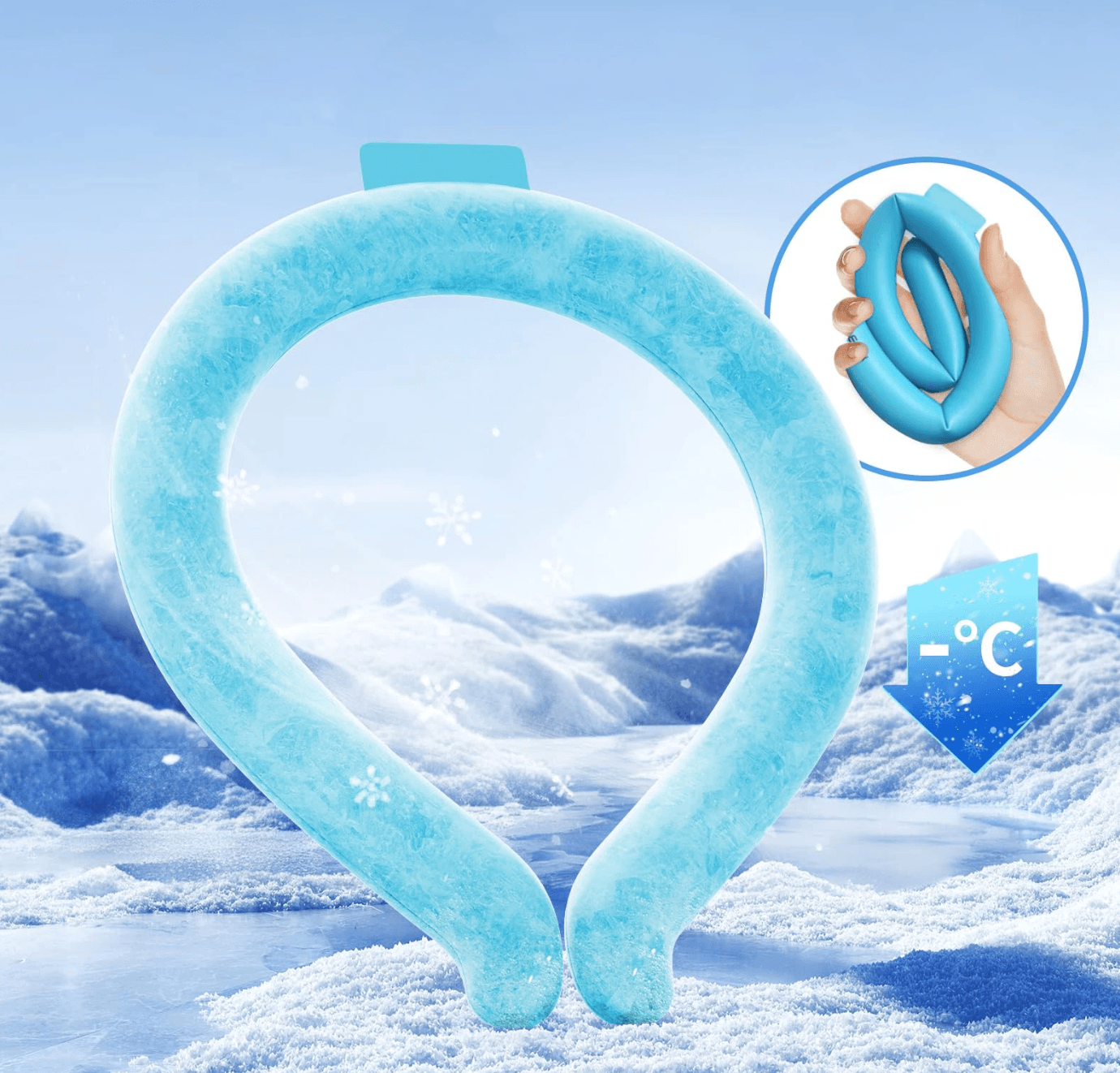
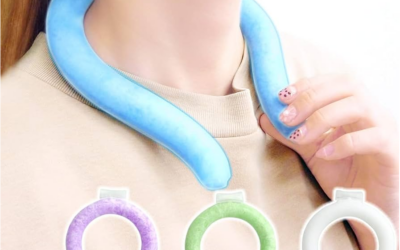
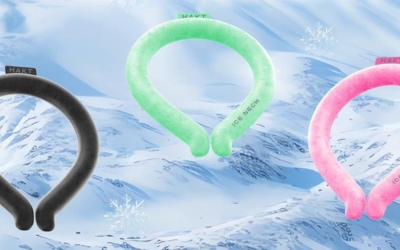
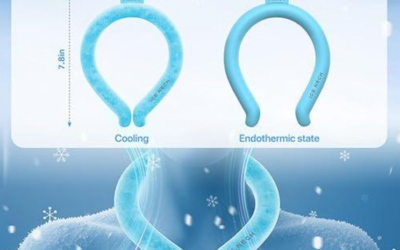
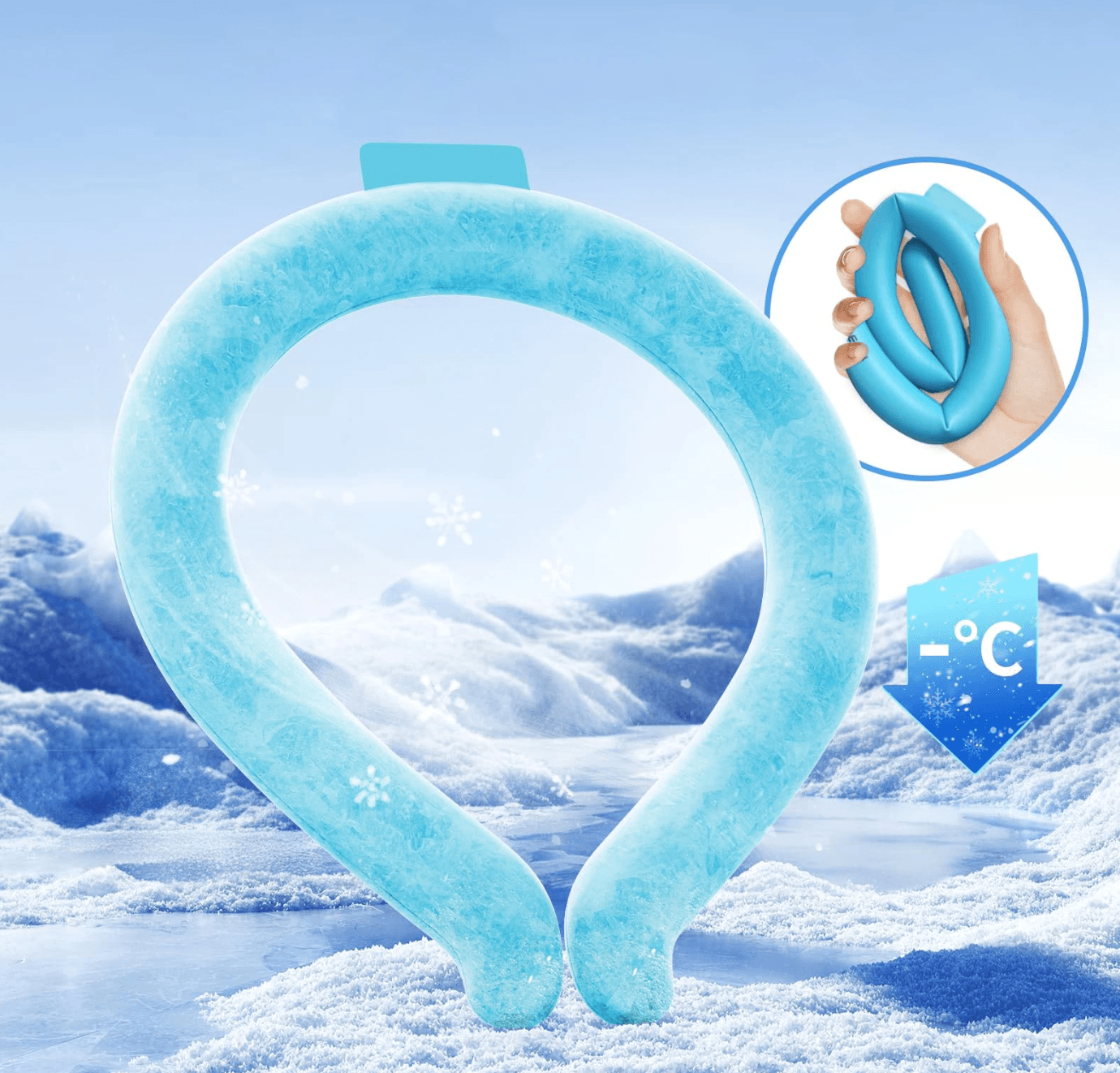
PCM stands for phase change material. It’s a substance that melts and solidifies at a specific temperature – like ice, but smarter. Manufacturers pack this material into a wearable neck ring or tube, chill it, then let you wear it. As your body heat hits the PCM, it starts melting. That melting process absorbs heat from your skin instead of just sitting there feeling cold for five minutes.
A regular ice pack melts and dumps cold fast, then quits. PCM cooling technology buffers the temperature change, so you get steady relief instead of a shock-then-nothing cycle.
The temperature science:
– Most PCM formulations activate somewhere around 18°C, 21°C, 23°C, or 28°C (64°F–82°F)
– Skin-contact zones target 28°C / 82.4°F – cold enough to cool, warm enough to stay comfortable
– Going too far below that range can actually feel uncomfortable and stiffen the material
Recharge time varies by brand:
– Freezer method: 20–60 minutes (depends on formulation)
– Ice water method: 10–15 minutes for faster activation
– Full freeze benchmark: freezer set to about -18°C
Cooling duration ranges from 1–4 hours depending on ambient heat and PCM type. Direct sun cuts that window shorter; shade or indoor use stretches it longer.
Most reusable cooling scarf-style PCM coolers use a sealed, leak-proof tube, often BPA-free polymer gel, shaped as a closed loop that sits flush against your neck. You freeze it, wear it, and repeat.
What Is a Cooling Scarf & How Does It Work
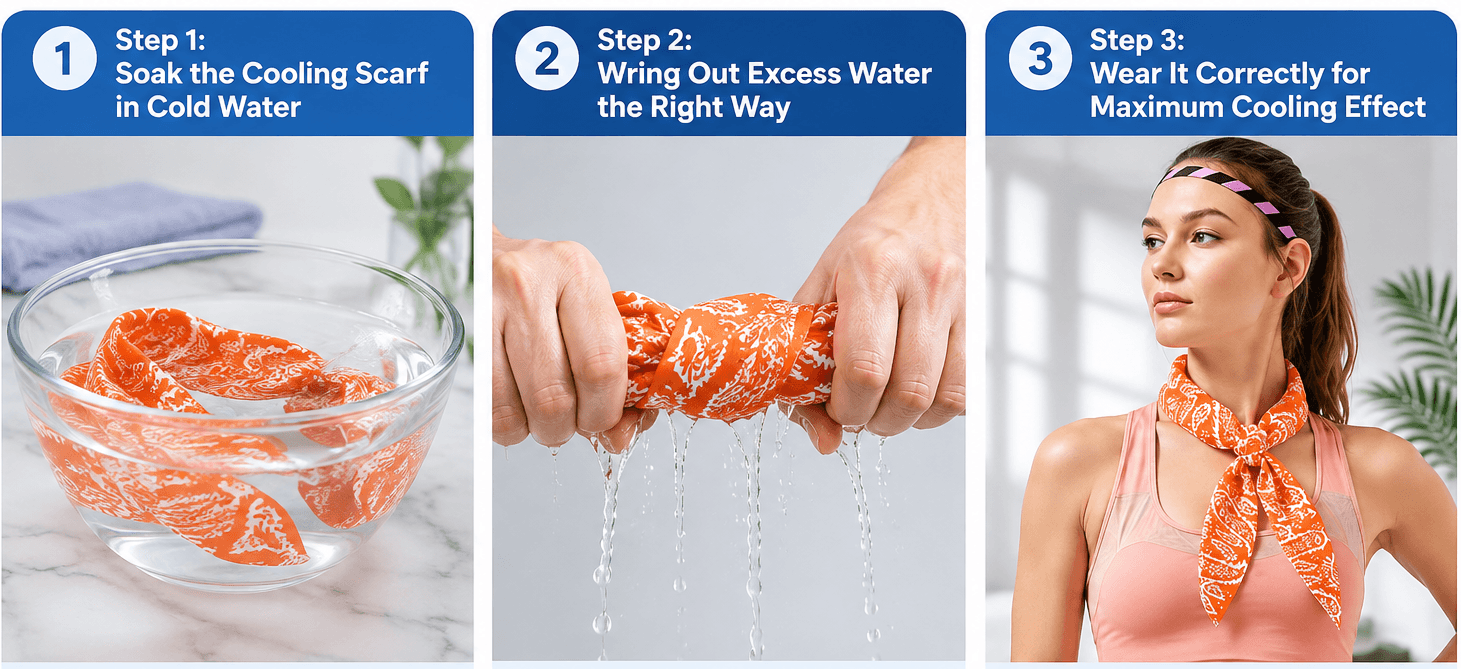
The secret is water. A traditional cooling scarf works through evaporative cooling, with no phase change chemistry, no electronics, and nothing to pre-freeze. You soak it, wring it slightly, wrap it around your neck, and the water trapped inside the fabric slowly evaporates. That evaporation pulls heat off your skin. Simple physics.
What’s inside these scarves:
– Most use a polyester-nylon blend (a common spec is 90% polyester, 10% nylon) for lightweight, quick-dry performance
– Others use PVA (polyvinyl alcohol) crystals or superabsorbent polymers that can soak up roughly 8x their weight in water
– Some budget versions mix cotton/poly blends with water-retaining crystal beads sewn into the lining
Activation is fast but humidity-dependent:
Soak time runs about 1–3 minutes. Cooling typically lasts 45–120 minutes, though that window shrinks fast in humid air. Evaporation needs airflow and dry conditions to work, and that’s the tradeoff. In low-to-moderate humidity (under roughly 60% RH), a cooling scarf performs great. The same scarf barely does anything in a sticky, humid climate, because there’s nowhere for the moisture to evaporate to.
Adjusting the cooling intensity comes down to three levers:
– How wet you soak it: more water means stronger initial chill, but dripping wet gets uncomfortable
– Airflow: running, cycling, or a breezy job site accelerates evaporation and boosts cooling
– Fabric type: PVA and superabsorbent materials hold water longer; cotton-poly blends dry faster but cool less intensely
Water does all the work, and there’s no freezer or gel involved.
PCM Neck Cooler vs Cooling Scarf: Side-by-Side Comparison Table
Numbers don’t lie, so here they are side by side. This is the breakdown that matters when you’re comparing PCM cooling technology against a traditional cooling scarf.
|
Core Factor |
PCM Neck Cooler |
Cooling Scarf |
|---|---|---|
|
Cooling Mechanism |
Phase change material melts around 15–18°C / 58–64°F |
Evaporative fabric; some hybrids use PCM inserts |
|
Cooling Intensity |
Mild to moderate, steady |
Light to moderate; stronger when fully soaked |
|
Duration |
1–1.5 hrs, sometimes up to 3 hrs |
2–4 hrs best-case, re-wet every 2–4 hrs |
|
Power Needed |
None |
None |
|
Recharge |
Freezer (≤2 hrs) or fridge (20–30 min) |
Re-wet in under 60 seconds |
|
Reusable Lifespan |
300–500 freeze cycles, 12–18 months |
1–2 years with care |
|
Typical Price |
$18–$38 |
$8–$28 (PCM hybrids: $35–$65) |
|
Feel on Skin |
Dry, stable, less messy |
Damp, wet feel |
|
Best Use Case |
Hot, steady outdoor work, running, travel |
Moderate heat, water accessible |
|
Weak Point |
Needs cold storage access |
Loses efficiency in high humidity |
Fast decision cues: Pick the PCM neck cooler if you want dry, predictable heat stroke prevention without electricity. Pick the cooling scarf if budget and easy water-based reactivation matter more.
Match Your Situation to the Right Neck Cooler

Your situation matters more than any spec sheet. Match your use case to the right product.
If You’re Dealing with Hot Flashes or Sensitive Skin
Go with a PCM neck cooler or a cooling scarf made from non-chemical, phase-change fabric. The neck is the ideal placement because major blood vessels sit close to the skin’s surface, so cooling spreads through your body faster. Menopause-focused brands market to this need, and some cooling scarves claim they can drop up to 30% below skin temperature once wet. For hot flashes and night sweats, you want something you can grab fast and reactivate without thinking twice.
If You’re Running, Training, or Doing Manual Labor Outdoors
A cooling scarf with evaporative fabric works best. You need fast activation and easy re-wetting mid-workout or mid-shift. A few real examples:
-
FROGG TOGGS Chilly Sport – activates in about 1 minute, cools for 2–3 hours
-
KOOLGATOR Neck Wrap – takes roughly 20 minutes to activate but holds cooling for 4+ hours
-
Ergodyne Chill-Its 6700 – activates in 2–5 minutes, cools for about 4 hours
-
ICEBEARTECH Cooling Scarf – under 1 minute activation, around 2 hours cooling, good for multi-sport use
If Budget Is Your Main Concern
Skip PCM entirely. Basic evaporative cooling scarves run $8–$22, and entry-level water-activated neck wraps sit around $10–$20. You’ll trade some comfort and consistency for a much lower price tag, a fair trade if you’re testing whether cooling gear even works for you.
If You Want Low-Maintenance, Grab-and-Go Convenience
Pay more upfront for a PCM or hybrid neck cooler. Benchmark pricing lands around $25–$48, versus $8–$22 for evaporative fabric. You get a dry, stable feel and no re-soaking mid-task, but expect a shorter lifespan of 12–18 months compared to evaporative fabric’s 2–3 years.
If You Need Serious, All-Day Heat Management
Consider stepping up to active or electronic neck coolers. These run $85–$220, deliver 2–6 hours of runtime, and make sense for chronic heat sensitivity or heavy occupational exposure. In those situations, a passive scarf or PCM cooler just won’t cut it.
Real User Feedback & Common Complaints
Marketing copy tells you one story. Actual buyers tell you another. We read hundreds of reviews on both types of coolers, and the patterns are clear.
What People Love About PCM Neck Coolers
“Effective cooling” shows up in roughly 17.6% of positive PCM reviews — more than any other praise category. One user put it simply: “Felt instant relief walking to the bus stop.” Another wrote: “Toss in backpack, freeze at office, wear on commute, no setup.” That kind of convenience keeps coming up. Users also like how well it stays put under hard hats and helmets, calling it more stable than fabric alternatives.
What People Hate About PCM Neck Coolers
Heat ruins the experience. “Short cooling duration” appears in 13.5% of negative feedback. Complaints include: “Lasted ~18 minutes in 35°C heat, then just felt like a warm band.” Quality issues show up less often, but they exist. Leakage problems affect about 3.4% of reviews, and short lifespan complaints sit around 5.2%. One reviewer noted: “Gel seeped through seam after 3rd freeze cycle.”
What People Love About Cooling Scarves
Price wins every time. Buyers grab multi-packs for teams, worksites, and families because the cost per unit is low. Athletes report solid results too: “Really good at cooling them down on a hot day,” and “works for walking and riding.”
What People Hate About Cooling Scarves
The wet feeling bothers a lot of people. Complaints like “doesn’t stay cold for long” and “gel leakage, poorly stitched, gets all over everything” show up often. Some users report beads popping once the fabric is soaked — a manufacturing flaw that kills trust fast.
Price & Value Comparison: Which Gives You More for Your Money
Sticker price tells you almost nothing. Cost-per-use tells you everything.
A $29 PCM neck ring used 3 times a week for 2 years (roughly 312 wear cycles) breaks down to about $0.09 per use. That’s the number that matters, not the checkout price.
PCM Neck Cooler: The Real Numbers
Retail prices for PCM rings typically land at $22–$38, with premium versions hitting $49.99. Factory/wholesale pricing drops as low as $2.00–$4.50 per unit, and that gap comes down to TPU shell quality, PCM formulation, and weld-seam durability.
Quality units run 500–800+ freeze-thaw cycles. Some high-durability models claim 10,000+ cycles. Budget versions lose 15%–25% of cooling efficiency after just 100 charge cycles, and high-frequency-welded TPU shells last 2–3x longer than basic heat-sealed ones.
Cooling Scarf: The Real Numbers
Evaporative scarves run $8–$22 with a 2–3 year lifespan, which works out to roughly $3–$11 per year. Water-activated wraps sit around $10–$15 each, or $25–$35 for a three-pack, delivering 2–4 hours of cooling per soak. No consumables needed — just water and airflow. Budget versions fade after one season (3–4 months); better-made ones stretch to 2–3 years.
Which Wins on Value?
-
Low budget, occasional use → Cooling scarf. $8–$22 covers commutes and workouts.
-
High-frequency use → PCM neck cooler. Hit 500+ cycles and cost-per-use drops to pennies.
-
Zero-maintenance priority → PCM, but you need freezer access.
-
All-day comfort → Evaporative scarf, typically under 120g with no condensation.
Budget breakdown:
– $10–$15: entry-level evaporative scarf
– $20–$30: mid-tier PCM ring, check TPU shell and cycle count
– $30–$50: durable PCM with 500+ cycle rating and 1–3 hour stable output
Watch four numbers before buying: unit price, cycle lifespan, cooling duration per use, and whether it needs water or a freezer.
Frequently Asked Questions About Neck Cooling Products
Real questions from real buyers keep popping up in reviews and forums.
How long does cooling last?
Most neck cooling gear gives you a working window of 30 minutes to 2 hours. PVA-based evaporative wraps stretch that further, sometimes hitting 4 hours in dry air. One PCM product tested showed a 3°C skin temperature drop that held steady for 1 hour at 30°C ambient heat.
How do I clean and care for these?
Hand wash with mild soap and cold water, then air dry. Skip the washer, dryer, and iron — heat and agitation break down PCM gel and bead-filled linings fast. Some hydrogel versions need 3–5 days of full drying before a light clean; deeper cleaning calls for 7–10 days. Never soak beaded or gel products overnight. That kills the fill material.
Can I use two at once?
Yes, and heavy users do. Rotate one on your neck while the other recharges in the freezer or air-dries. PCM rings need a cold soak to reset. Evaporative scarves need a fresh soak in water.
Is this safe for hot flashes?
Most menopause-focused cooling wraps target the neck, jawline, and chest since heat surges hit there first. Do a small patch test first. Stop if you notice redness or irritation.
What about sensitive skin?
Look for fragrance-free, low-irritant materials with a removable, washable outer sleeve. Reputable brands list non-toxic, hypoallergenic certification on the packaging.
Are these safe for kids?
Choose versions with no small parts, no leak risk, and no chemical heating/cooling agents. Many warning labels flag products as unsuitable under 12 without supervision. Keep sessions short and avoid direct, prolonged cold contact on young skin.
How long will mine last before it needs replacing?
Expect 6 months to 3 years depending on build quality. Some users report 6 years of use with proper care. Watch for three warning signs: shorter cooling windows, hardened or cracked material, and slower recovery after each freeze or soak cycle.
Where should I buy for the best deal?
Factory-direct sites, B2B distributors, and safety-supply channels beat retail pricing, especially for bulk orders. Buy one unit on a retail platform first to check sizing and comfort, then scale up through wholesale once you know it fits your needs.
Final Verdict: Our Recommendation
No single product works for everyone, the right choice depends on your situation.
Pick a PCM neck cooler when daily convenience is your priority. No batteries, no charging, minimal condensation, and quiet operation. IceBearTech, for instance, builds their PCM to activate at 28°C. That gives you 2–4 hours of steady cooling — roughly 1.5–2 hours in extreme heat above 38°C — backed by 500+ freeze-thaw cycles. It’s the grab-and-go option for commuting, office use, or quick outdoor trips.
Go with a cooling scarf when budget and coverage matter more. You get 45–120 minutes of cooling across your neck and shoulders, covering a bigger surface area than any PCM ring. Activate it with cold water, no freezer needed. For extended outdoor work, the broader coverage and lower cost of a cooling scarf outweigh the convenience of a PCM setup.
Conclusion
There’s no absolute superiority of one over the other between PCM Neck Coolers and Cooling Scarves; the key is which cooling method best suits your specific needs.
If you require more stable, localized cooling that’s less affected by humidity, PCM Neck Coolers are generally more suitable, especially for commutes, outdoor activities, high-temperature work, and environments where frequent rehydration is inconvenient. Cooling Scarves, on the other hand, are lighter, less expensive, and can be reactivated simply by immersion in water, making them more convenient for use in dry, well-ventilated environments.
Therefore, don’t just compare price or “Cooling Duration” when choosing. Ambient temperature and humidity, usage time, weight, comfort, and ease of reactivation should all be considered. Choosing the right cooling technology is more important than simply selecting a product that’s “cooler.”
If you’re still comparing PCM Neck Coolers vs. Cooling Scarves, you can visit ICEBEAR TECH to view different personal cooling products and technologies, and further compare them based on your specific usage scenarios.
For brand owners, distributors, and bulk purchasing customers, ICEBEAR TECH also offers OEM/ODM customization services for PCM Neck Coolers, Cooling Scarf, and other Personal Cooling Products. We can adjust the phase change temperature, materials, size, color, logo, and packaging according to the target market to help develop a cooling product series that is more suitable for their own market.