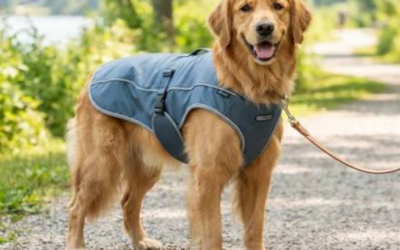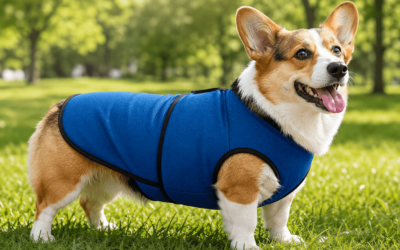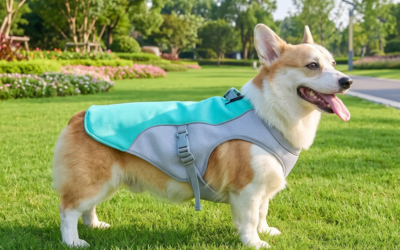
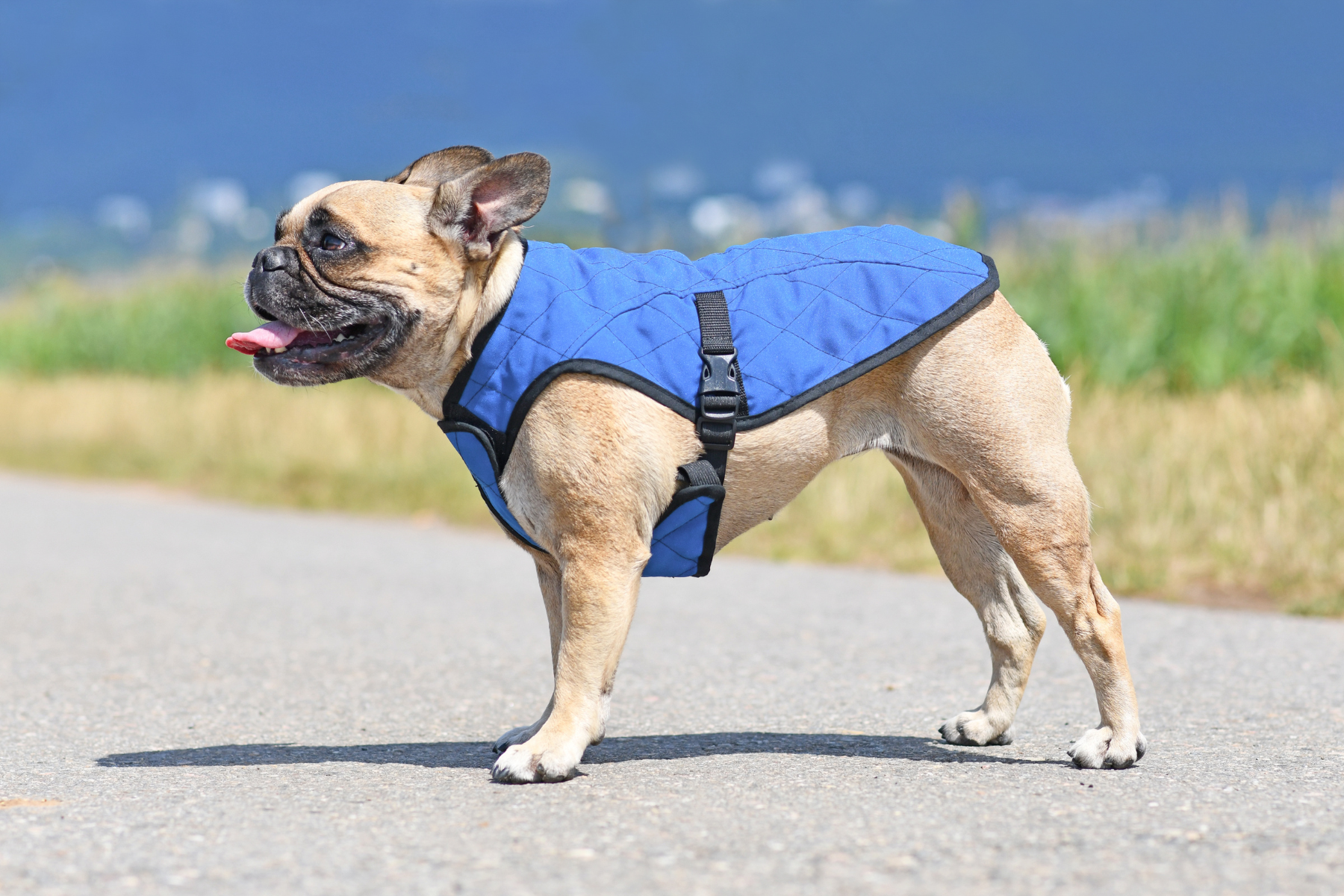
Summer’s over (or that heatwave finally broke), and your dog’s cooling vest is balled up in a corner, still faintly damp and smelling a little… funky. Sound familiar? How you store a cooling vest between wears matters just as much as how it works in the first place. Skip the proper wash instructions, toss it in a bin still damp, and you’re inviting mold, odor, and a shorter lifespan for something that probably wasn’t cheap.
The good news? A few small habits make a huge difference. We’ll walk through how to clean, dry, fold, and store your pup’s cooling gear so it’s fresh, functional, and ready to go the second next summer rolls around.
Clean the Cooling Vest Before Storage
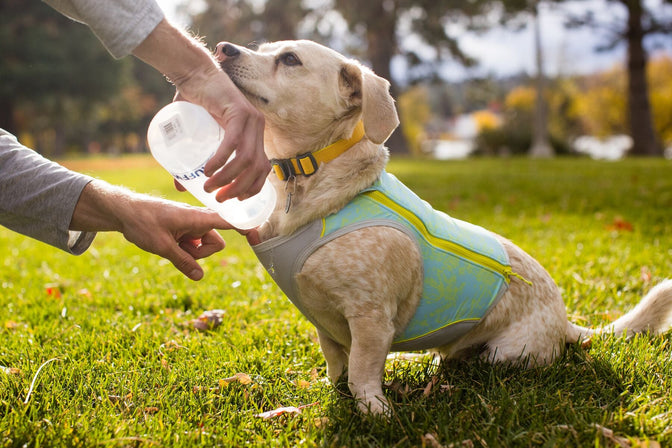
Never pack away a cooling vest without washing it first. Even if it looks fine. Even if your dog only wore it “a little.” Sweat, mud, and dirt sitting in the fabric all summer is an invitation for mold and mildew, which will wreck the material and shorten its lifespan.
Proper dog cooling vest wash instructions are gentle across the board. Stick to cold water or a max of 40°C / 104°F, and use a mild, fragrance-free, pH-neutral detergent. Skip bleach, fabric softener, the dryer, the iron, and dry cleaning. Most manufacturers explicitly ban them because they break down the fabric, closures, and cooling structure itself.
Hand Wash vs. Machine Wash
-
Hand wash: Remove any inserts or packs first. Soak or rinse gently in cool water, squeeze lightly, and never wring.
-
Machine wash: Pop the vest in a mesh laundry bag, close all buckles and Velcro, and run a gentle cycle at 40°C max.
A Note on Materials
Not every vest is cleaned the same way. Evaporative cooling vests (PVA-style vests) need the gentlest touch. Cold rinse only, no soaking, no wringing, since the evaporative layer is sensitive to heat and rough handling. Gel-insert vests need the shell washed separately from the packs. For ice-pack style vests, remove the packs, wipe them with soapy water, and wash the fabric on its own.
Rinse until the water runs clear, then move straight to drying.
Dry the Vest Completely
Avoiding Common Cooling Vest Material Care Mistakes
A damp vest tucked into a drawer is a science experiment waiting to happen. This is where most cooling vest material care goes wrong, and it’s an easy fix once you know the rules.
Skip the dryer, the heater, the hairdryer, and the iron. Every single one of them. Heat is the enemy here. It speeds up something called hydrogel syneresis (the gel breaking down and losing water), which ruins the cooling function before you even notice.
How to Dry Different Materials
-
PVA/evaporative cooling vest care: Hang it somewhere breezy and let it air dry fully. It’ll feel stiff once dry, which is normal.
-
Gel-insert or capsule-style vests: Lay these flat instead of hanging. Hanging puts stress on the seams and can make the gel pouches sag or shift.
-
Removable inserts: Pull them out and dry separately from the shell.
Before storing, gently press out excess water with a towel (no wringing!). Then give it time: gel and capsule vests usually need at least 2–4 hours in a shaded, ventilated spot, sometimes up to 24.
A vest is completely dry when there’s no coolness or dampness to the touch, no wet spots hiding in seams or pockets, and the PVA fabric is back to its firm, dry state. Skip this step and you’re guaranteeing mold, odor, and a shorter dog cooling vest lifespan.
Fold or Lay Flat for Storage (Preventing Crease Damage)
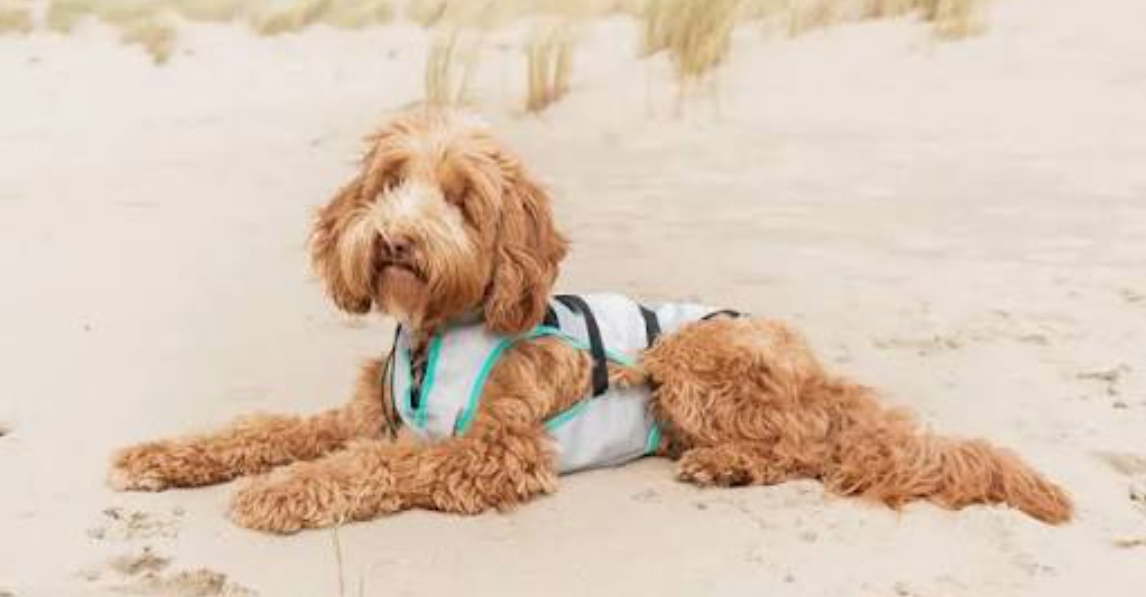
How you fold a cooling vest matters almost as much as how you wash it. Get this wrong, and you can permanently warp the cooling elements even after doing everything else right.
For vests with soft PCM inserts or gel layers, lay flat and don’t hang. Manufacturers say hanging soft-PCM vests on a hanger causes the elements to sag and deform over time. Use a flat shelf or drawer instead.
You can fold the vest, but only when it’s fully dry. If your vest uses a crystallizing or water-based cooling layer, check that it’s completely dehydrated first. It should feel like firm, hard granules, not soft or squishy. Folding while it’s still damp or gel-like creates permanent creases.
Never force-fold a hardened or frozen element. This is one of the biggest cooling vest care mistakes people make. If it feels stiff or frozen, let it soften at room temperature before handling.
Quick Storage Checklist
-
Smooth the fabric flat with your hands before folding
-
Fold along original seam lines, not new ones
-
Avoid stacking heavy items on top
-
Store somewhere cool: 10–22°C (50–72°F) is ideal for keeping the vest fresh and preventing mold buildup
You wouldn’t think it, but where you put your cooling vest matters almost as much as how you cleaned it. A closet shelf and a garage floor are two different worlds.
The best temperature range is 40–50°F (4–10°C). Anything under 70°F (21°C) works in a pinch. Humidity is the bigger deal. Keep it between 30–40% relative humidity to prevent mold. Go higher, and you’re basically growing mildew in slow motion. Then there’s light: UV rays break down fabric over time, so a dark closet beats a sunny windowsill every time.
Good spots: an interior closet, a dresser drawer, a basement shelf away from moisture.
Bad spots: near a window, above the stove, under a bathroom sink, in the garage or attic where temperatures swing wildly.
Those temperature swings are the real problem. A vest that sits at a steady 65°F will hold up better than one that bounces between hot afternoons and cold nights.
Breathable Bag vs. Sealed Container
Between uses, a breathable mesh bag or the original packaging works fine — it lets any leftover moisture escape. For full seasonal storage, seal it in a container with a small desiccant packet. Just make sure the vest is bone dry first. Sealing in dampness is how you find a smelly surprise next summer.
Handle Short-Term Damp Storage (Daily Use Between Wears)
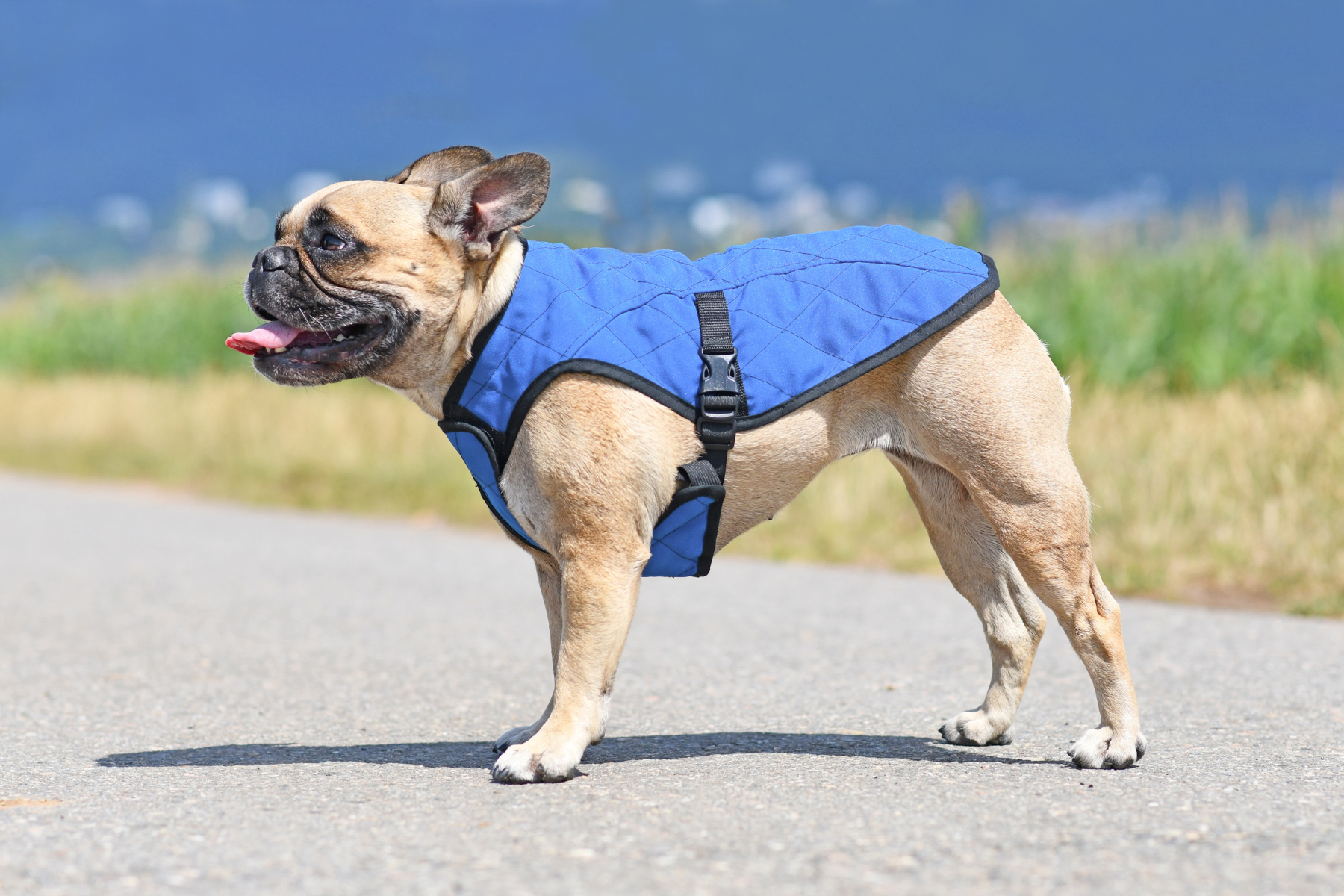
Not every day ends with a full wash cycle. Sometimes your dog needs a quick walk, the vest gets damp, and you’re tossing it in a bag before running out the door again.
24 hours is your safe window. Between 24 and 48 hours, mold and odor risk climbs fast, especially in sealed, damp conditions. Past 48 hours still damp and sealed and you’re dealing with visible mold or a smell that won’t quit.
Never seal a still-damp vest overnight, even in a reusable bag. Wet plastic bags left at room temperature can see bacteria levels spike within 48 hours. Add pet hair, dirt, or grass residue into that mix, and odor develops even faster.
Quick Daily Habits
-
Short outings (1–2 hours): Leave the bag open, tucked somewhere with airflow. Skip the zipper.
-
Transporting a damp vest: Use a breathable mesh bag instead of a sealed one.
-
Back home: Unpack immediately, wipe off surface moisture, check seams and corners, and hang to air out before folding.
-
If you must seal it briefly: Keep it short, low-compression, and reopen within 24 hours to dry fully.
Common Mistakes That Damage Your Dog’s Cooling Vest
Most damage to cooling vests comes from a few small, well-meaning habits. They leave the vest ruined and gathering dust in the closet. Once you see the pattern, it’s almost too simple to fix.
The damage chain works like this. Damp storage leads to mildew, which breaks down the fabric and insulation, and that tanks the vest’s lifespan. Sun exposure oxidizes the polymer chains, weakening the cooling membrane, and shortening how long the vest keeps your pup cool. Once you spot that chain, every mistake starts to make sense.
The Real Culprits
-
Bleach and fabric softener. They seem harmless, but bleach weakens nylon webbing fibers over time, and both can degrade the TPU/TPV bladder layer inside gel-style vests. Stick to a fragrance-free, pH-neutral detergent — always.
-
Tumble drying, hairdryers, radiators. Beyond ruining the PVA structure, high heat changes the elasticity and fit of straps and closures. That’s why a vest that used to fit snug might not anymore.
-
Direct sunlight. UV rays oxidize the material at a molecular level, making it brittle and speeding up hydrogel syneresis (the cooling gel losing its water content faster than it should).
-
Storing while even slightly damp. This is the single most common mistake, and it’s the fastest route to musty smells, mold, and a vest that won’t absorb water the way it used to next season.
For lasting pet cooling gear maintenance, use cool water and gentle detergent, let the vest air-dry completely, and store it in the shade.
How to Revive a Cooling Vest Before Reuse After Storage
Pulling a vest out of storage after months isn’t as simple as clipping it on and heading out the door. PVA and evaporative cooling vests dry stiff by design, and unfolding them cold can tear the material. The fix is easy. Rehydrate it before you handle it.
Step-by-Step Reactivation
-
Inspect first. Check seams for splits, look for cracks or brittle spots, and give it a sniff for anything musty. Mold or damage means clean it or replace it before use, not after.
-
Soak in cool, clean water. Most PVA vests need 1–2 minutes, though some models call for up to 5 minutes, or even 10–20 minutes for full saturation. Check your specific product instructions.
-
Squeeze gently, never wring. Blot out excess water instead of twisting, which can permanently damage the PVA structure.
-
Wear it, or hang to dry if you’re prepping ahead for later use.
Quick Function Check
Once rehydrated, the vest should feel evenly damp and flexible, not lumpy or stiff in patches. If it dries unusually fast or won’t soften after soaking, that’s a sign the absorbent layer has degraded. For best fit and cooling, wear it over a T-shirt or thin base layer.
One more note: if a vest sat wet and sealed for more than 12 hours without ventilation before storage, inspect with extra care. That combination is a known trigger for material breakdown and odor.
Cooling Vest Storage FAQ: Mold, Odor & Lifespan Concerns
A cooling vest needs more care than you might expect. Here’s what you need to know.
My vest still smells musty after washing and drying. What now?
Try a vinegar wipe or a baking soda soak first, then dry it near a dehumidifier for a full 48 hours. If the smell lingers after that, or you notice discoloration, that’s mold. Replace the vest rather than keep using it.
How often should I actually wash it?
Wash after every hard-use session, any time it’s stained, or whenever it doesn’t feel fresh. For lighter, occasional use, every 3–6 months is a reasonable rhythm. If your dog barely wears it, 6–12 months works, as long as it’s stored properly in between.
How long does a cooling vest actually last?
It depends on the model. One manufacturer says to replace the vest after 25 washings to keep its cooling performance intact. Gentle handling and proper storage, instead of aggressive laundering, can extend a vest’s functional life by 12–18 months.
Can I store it compressed to save space?
No. Never ball it up, roll it tightly, or crimp the material. If your vest comes with cooling packs, keep them stored inside the vest itself. It shields them from UV exposure.
Can I freeze it for off-season storage?
Only once it’s completely dehydrated. A fully dry vest can go in the freezer or a well-ventilated space.
Conclusion
Properly storing a dog cooling vest isn’t complicated, but it directly impacts its condition for the following season. Before storing, thoroughly clean and completely dry the vest, then place it in a cool, dry place away from direct sunlight to reduce odors, mold, and fabric aging.
Especially for evaporative dog cooling vests, do not fold or store them while the inner absorbent layer is still damp. Avoid excessive compression when not in use for extended periods; allow the vest to rest naturally. Before reusing it the following summer, check the fabric, seams, and fastening structure for damage, and perform a final wash and activation test.
Good cleaning and storage practices not only extend the lifespan of your dog cooling vest but also keep it ready for use when hot weather arrives.
If your existing vest shows significant wear, or if you’d like to learn about different types of dog cooling vests, pet cooling mats, and other pet cooling products, visit ICEBEARTECH for more product information and pet summer cooling guides.
For pet brands, distributors, and bulk purchasing customers, ICEBEAR TECH also offers OEM/ODM services for Pet Cooling Products, customizing sizes, fabrics, colors, logos, and packaging according to different dog breeds and target markets.