Do you suddenly experience a burning sensation in your face and neck during your period, accompanied by sweating, a rapid heartbeat, or a noticeable feeling of heat? While hot flashes are more commonly associated with menopause, some women may experience similar transient hot flashes around their periods due to hormonal changes.
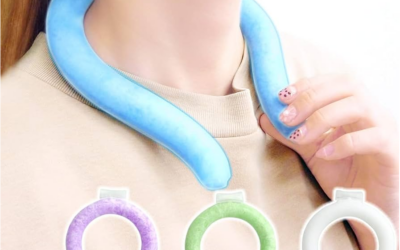
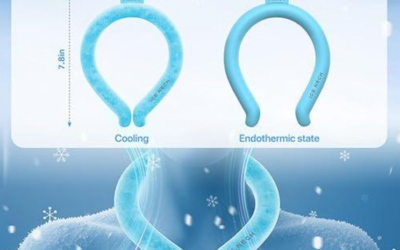
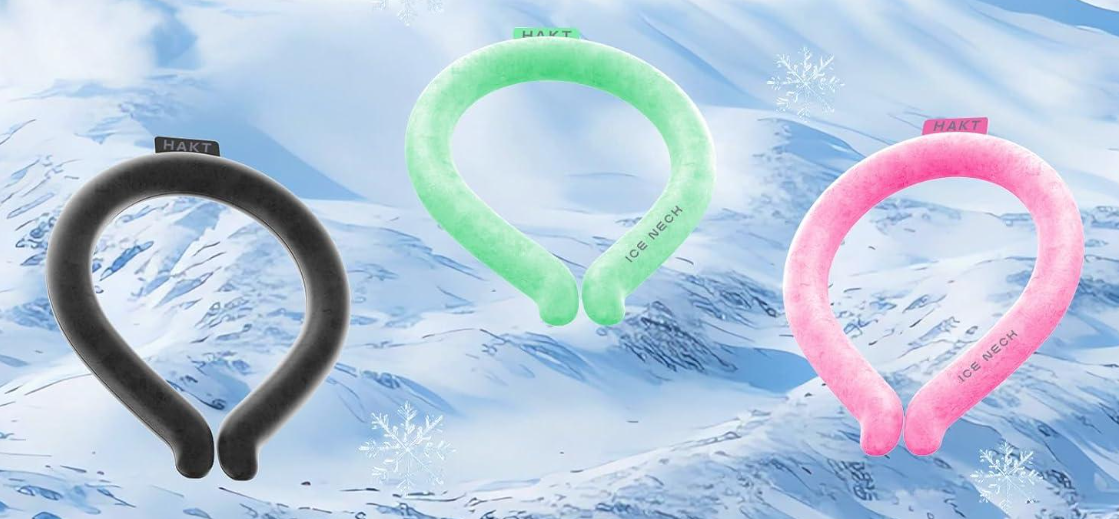
When this discomfort occurs in the office, during your commute, or while exercising, quick, localized cooling is always convenient. A neck cooler or cooling neck wrap can be applied directly to the neck to provide a cooling sensation to the skin. It’s also lighter than traditional ice packs and doesn’t require continuous power or generate noise like a fan.
However, a neck cooler primarily relieves localized heat and improves comfort; it does not address the underlying cause of menstrual hot flashes. If hot flashes occur frequently, symptoms worsen significantly, or are accompanied by other unusual symptoms, it is still recommended to consult a medical professional.
This article will explain why hot flashes may occur during menstruation, how a Neck Cooler can help relieve the heat, how to use a Cooling Neck Cooler correctly, and how it differs from other cooling methods such as Cooling Towel, Ice Pack, and Fan, helping you determine if this simple personal cooling method is suitable for your daily needs.
Why Do You Get Hot Flashes During Your Period?
Blame your hormones. Period hot flashes trace back to a sharp drop in estrogen near the end of your cycle. When estrogen falls fast, your hypothalamus—the brain’s internal thermostat—gets oversensitive. That’s why you suddenly feel like you’re on fire, break a sweat, and flush red for no obvious reason.
Period Hot Flashes vs. Menopause Hot Flashes
Both come from the same root cause: falling estrogen. The difference is timing and duration.
Period hot flashes are short-lived and cyclical, tied to your cycle. Menopause hot flashes come from a chronic low-estrogen state that can strike anytime, with no cycle needed.
Most period-related flashes show up 1–2 days before your period starts through the first few days of bleeding, when progesterone dips and estrogen retreats.
How to Tell If It’s Normal
Your hot flashes likely fit the typical pattern if they show up at the same point in your cycle every time, last a few minutes to about 15 minutes, and fade once your period ends.
Consider getting checked if hot flashes appear randomly throughout your entire cycle, come with irregular periods, disrupt sleep with night sweats, or feel severe enough to interfere with daily life. Especially if you’re approaching perimenopausal age.
What Makes Them Worse
Stress, poor sleep, alcohol (especially at night), caffeine, spicy food, smoking, and a too-warm bedroom can all intensify hormonal hot flashes.
Track It Yourself
Log three cycles. Note the date, duration, time of day, alcohol and caffeine intake, and sleep quality for each flash. If they cluster around your period window every time, you’re dealing with menstrual cycle temperature regulation issues, not something else.
How to quickly relieve discomfort during menstrual hot flashes?

Sudden onset of menstrual hot flashes doesn’t always require complicated treatment. You can start by lowering the ambient temperature and localized cooling. For example, drink a small amount of cool water, turn on a fan or air conditioner, and remove thicker outer clothing to allow the body to dissipate heat more easily.
If the heat is mainly concentrated on the face and neck, you can use a cool towel, ice pack, or neck cooler for short-term cooling. Areas like the neck and face are more sensitive to temperature changes, so localized cooling can usually quickly alleviate the subjective feeling of “sudden heat.”
Why are neck coolers more suitable for everyday use?
Cool towels and regular ice packs provide short-term cooling, but they aren’t always convenient to use. Towels can easily become warm or dripping wet, and ice packs taken directly from the freezer may be too cold and unsuitable for prolonged direct skin contact.
In contrast, cooling neck wraps or PCM neck coolers can be worn directly around the neck, allowing your hands to remain functional, making them more suitable for use in the office, commuting, or when out and about. PCM (Phase Change Intake) products can absorb heat near the set phase change temperature, and the cooling sensation is usually gentler and more stable than ordinary ice cubes.
When hot flashes occur, stop your current activity, drink a small amount of cool water, lower the ambient temperature, and then wear a Neck Cooler around your neck. Remove it immediately if you feel too cold, numb, or experience significant skin discomfort.
You can also adjust your daily environment in advance.
If hot flashes frequently occur at night, lower the bedroom temperature and choose lightweight, breathable pajamas and bedding. During the day, layer clothing so you can quickly remove layers when you feel hot.
Also, observe whether your hot flashes are related to factors such as alcohol, caffeine, spicy foods, exercise, or lack of sleep. Everyone’s triggers are different; recording the time of symptom onset and the surrounding environment is often more practical than blindly avoiding all possible factors.
It’s important to note that Neck Coolers are supplementary cooling products, primarily helping to improve the localized feeling of heat and comfort during hot flashes; they do not treat the underlying causes of menstrual hot flashes. If hot flashes occur frequently, become increasingly severe, or are accompanied by other symptoms such as significant menstrual irregularities or dizziness, it is recommended to consult a medical professional.
How to Use a Neck Cooler Correctly: Step-by-Step Application Guide
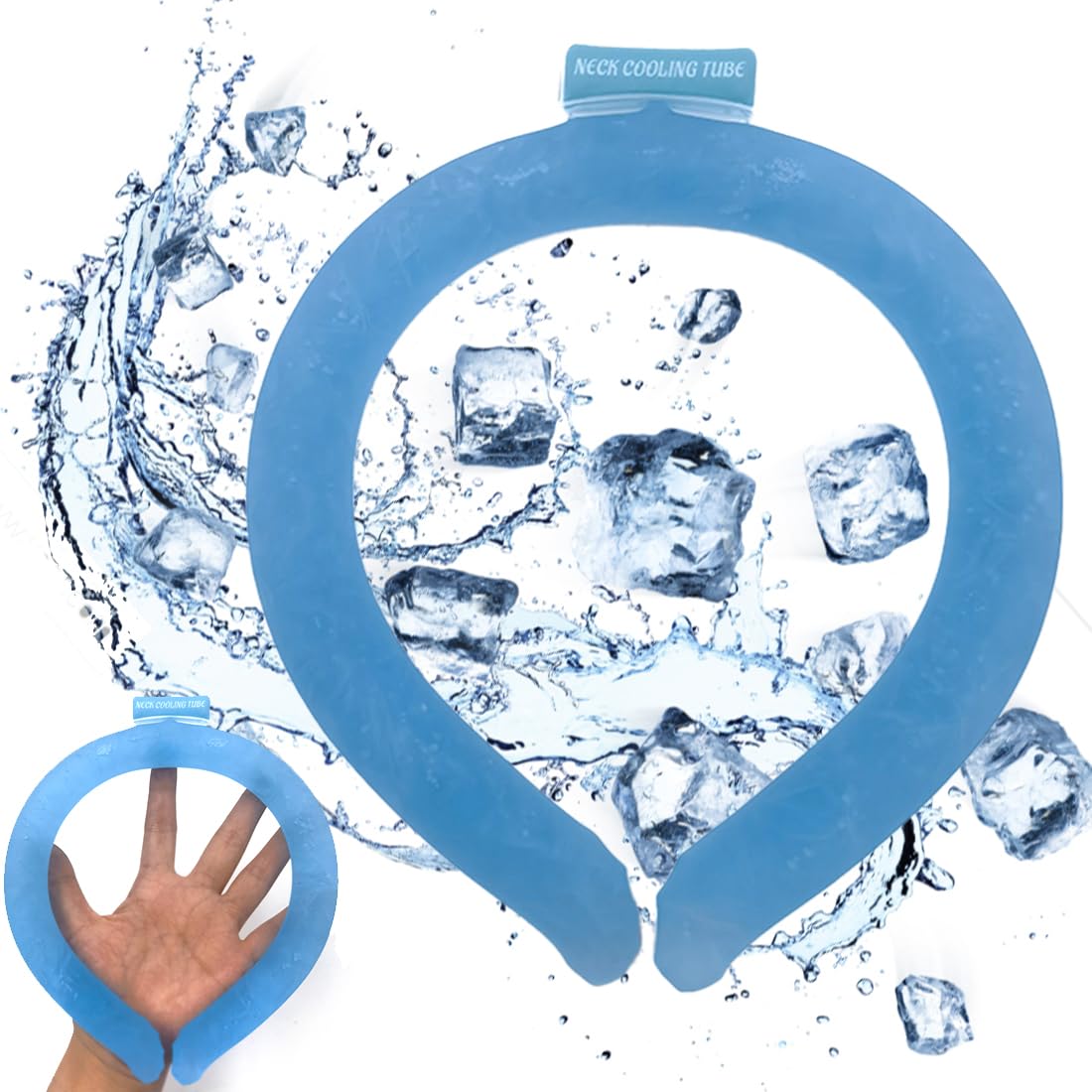
Not all neck coolers activate the same way, and using the wrong method cuts their cooling power in half. Here’s how to get it right depending on what you own.
Freeze-Pack or PCM-Type Coolers
These use gel packs or phase-change material (PCM) inside a fabric sleeve.
Pre-chill it. Toss the insert in your freezer for 2–3 hours. Some brands recommend leaving it overnight for maximum cold retention.
Get it on fast. Pull it out and slide it into the neckband immediately. Don’t let it sit on the counter.
Position matters. Place the thickest, coldest section against the back of your neck, with the cooling panels touching both sides of your neck and the nape.
Adjust for sensitivity. If it’s too cold, slip a thin cloth between the pack and your skin. True PCM inserts are usually gentle enough to wear directly against bare skin.
Water-Activated or Evaporative Coolers
These use water-absorbing crystals or hydrogel beads.
-
Soak first. Submerge the entire band in cold water. Basic versions need just 1 minute; hydrogel or crystal types often require 2–5 minutes, and some heavy-duty absorbent versions need 10–15 minutes, ocasionally up to 4–8 hours for full saturation.
-
Wring it out. Squeeze gently until it’s damp but not dripping. Give it a light shake to distribute moiture evenly.
-
Wrap it snug. Position it at the sides or base of your neck, close to skin without cutting off circulation.
-
Recharge on the go. When cooling fades, dunk it in water again. That’s the whole reset.
Duration and Saftey Checks
Start with 15–20 minutes on your first try to see how your skin responds. For regular use, stick to 15–20 minute sessions with breaks in between, or follow the 30–60 minute on, 40-minute off rhythm some users prefer. Never wear it continuously for more than 2 hours straight.
Stop immediately if you notice numbness, pale or white patches, blotching, or a burning sensation. Before each use, check for frayed seams, broken clasps, or leaks. Soggy or over-saturated spots mean it’s time to retire that neck cooler.
Which is better for hot flashes during menstruation compared to other cooling methods?
When experiencing hot flashes, neck coolers, cooling towels, fans, and cooling packs can all help relieve the heat, but their user experience differs. Rather than simply comparing “which cools the most,” it’s more important to consider cooling speed, comfort, portability, and the actual usage scenario.
Neck Cooler: More suitable for on-the-go use
For the office, commuting, or daily outings, PCM neck coolers or cooling neck wraps are convenient choices. They can be worn directly around the neck without needing to be held in place, and they don’t produce fan noise.
PCM products are generally gentler in temperature than ice packs just taken from the freezer, making them suitable for those who want a stable, localized cooling sensation but dislike excessive cold stimulation.
Ice Pack: Noticeable cooling sensation, but temperature needs attention
Ice packs provide a rapid and noticeable cooling sensation, making them suitable for short-term cooling applications at home. However, direct or prolonged skin contact is not recommended in very low temperatures. Use a thin towel or other fabric as a barrier and remove it as needed based on skin comfort.
Fan: Suitable for stationary environments
Fans are very convenient in offices or bedrooms, increasing airflow and helping sweat evaporate. However, their effectiveness is affected by ambient temperature and humidity, and the cooling effect is more diffuse.
If you frequently experience humid conditions in your workspace, you can use a fan in conjunction with a Neck Cooler: one increases airflow, and the other provides localized cooling.
Cooling Towel: Portable, but more dependent on the environment
Cooling Towels are also ideal for carrying around. They remove heat through evaporation after being submerged in water, and generally perform better in dry, well-ventilated environments.
However, in high humidity environments, the rate of evaporation decreases, and the actual cooling effect may be weaker. Therefore, if you live in a humid area, a PCM Neck Cooler is often more stable than a Cooling Towel, which relies solely on evaporation.
Choosing the right method based on the situation makes things simpler.
For office and commuting scenarios, a Neck Cooler is a good first choice because it’s convenient to wear and won’t interfere with your hands. When exercising, you can choose a Cooling Towel, Neck Cooler, or Neck Fan, depending on the ease of hydration and charging.
If you mainly experience night sweats, you should focus on improving your overall sleep environment. Keep your bedroom cool, choose breathable bedding, and use a fan to enhance comfort, rather than wearing an overly cold Neck Cooler or Ice Pack for extended periods.
In general, there’s no single method suitable for all menstrual hot flashes. Neck Coolers are advantageous because they are portable, quiet, and provide stable, localized cooling; Cooling Towels are lighter; fans are suitable for stationary environments; and Ice Packs are better for short-term, noticeable cooling.
Choosing the appropriate method based on the time and situation of your hot flashes is usually more practical than simply aiming for the lowest possible temperature.
Who should take special precautions before using a Neck Cooler?
Neck Coolers are localized cooling products, but not everyone is suitable for using low temperatures for cold compresses. Those who are sensitive to cold should exercise extra caution before use.
For example, people with Raynaud’s phenomenon, cold urticaria, or cryoglobulinemia may experience flare-ups or worsening of symptoms due to low temperatures, and therefore self-treatment with cold therapy is not recommended. Those with other cold-related circulatory problems or a history of cold injury should also consult a medical professional first.
For most users, the main focus should be on skin reaction. A Neck Cooler should provide a comfortable cooling sensation, not noticeable tingling or numbness. Discontinue use immediately if persistent redness, skin discoloration, swelling, burning, or significant numbness occurs.
Additionally, Gel Packs or Ice Packs taken directly from the freezer should not be applied directly to exposed skin for extended periods; a thin cloth can be used as a barrier.
In short, Neck Cooler is more suitable as a comfort aid during menstrual hot flashes than a treatment. If you have a pre-existing condition that makes you sensitive to low temperatures, or if your menstrual hot flashes are frequent and severely impact your daily life, it is recommended that you consult a doctor before deciding whether to use it.
How Fast Does a Neck Cooler Work?
Speed depends entirely on which type you grab. Some cooling devices claim relief in about 2 seconds, but that fast start usually fades within 30–90 minutes, depending on room temperature and how active you are.
PCM or gel-based neck coolers hit noticeably cold and hold it for 40–90 minutes, sometimes stretching to 180 minutes as heat load drops. Evaporative wraps—the classic cooling towel for menopause and period flashes—need a 1-minute soak minimum, up to 20 minutes for full saturation, then deliver gentler relief for 30 minutes to 5 hours. Freeze-type neck rings need at least an hour in the freezer and typically cool for 20–90 minutes.
For instant cooling neck wrap shoppers: PCM or gel gives you fast relief. Evaporative wraps last longest. PCM is also your best bet for workouts, but expect shorter cooling windows under heat.
Frequently Asked Questions About Neck Coolers for Menstrual Hot Flashes
Real questions deserve straight answers. Here’s what shoppers ask before adding a neck cooler to their cart.
How quickly will I feel relief?
Use it the moment a hot flash hits. Don’t wait. A reusable cooling neck band holds steady cooling for 90 minutes to 4 hours, though humidity and room temperature shift that range.
Can I reuse it, or is it one-and-done?
Reusable by design. Melt it, refreeze it, repeat. Most brands recommend washing with mild soap and water, letting it air-dry completely, then popping it back in the freezer for 20–30 minutes before your next round.
Is a neck cooler safe for skin?
Look for non-toxic, BPA-free, SGS-tested materials made for direct skin contact. Stick to short, targeted cooling near your neck’s pulse points. Skip the deep freeze and marathon sessions. Tingling, numbness, or redness means stop and switch to something gentler.
When should hot flashes prompt a doctor visit?
Occasional flashes tied to your period usually aren’t urgent. But get checked if they’re frequent, severe, or you’re under 40 and they show up unexpectedly. See a doctor sooner if flashes come with fever, unexplained weight loss, rash, swollen lymph nodes, heavy periods, or pelvic pain.
Conclusion
Hot periods can occur suddenly at the office, during commutes, while exercising, or at rest. While a Neck Cooler cannot resolve the hormonal changes that cause hot periods, it can help alleviate the sudden heat by cooling the neck, making daily activities more comfortable.
Compared to regular Ice Packs, PCM Neck Coolers or Cooling Neck Wraps are lighter and more portable. Activating the product beforehand, depending on its type, and wearing it directly when needed, along with hydration, lowering the ambient temperature, and adequate rest, will provide a better user experience.
It’s important to remember that Neck Coolers are supplementary cooling products, not a treatment for hot periods. If hot periods occur frequently, worsen, or significantly affect sleep and daily life, it is recommended to consult a medical professional.
If you would like to learn more about the differences between various PCM Neck Coolers, Cooling Neck Wraps, and other personal cooling products, please visit ICEBEAR TECH for more products and usage guides.
ICEBEAR TECH also provides OEM/ODM customization services for personal cooling products to brand owners, distributors and retailers. It can customize PCM temperature, size, color, logo and packaging according to the target market, and develop more suitable product solutions for women’s daily cooling, outdoor activities and other personal thermal management scenarios.