Fan cooling vests are widely used in jobs where people work for long periods in hot conditions but still need to move freely. Built-in electric fans draw outside air into the garment and circulate it around the torso. This airflow helps sweat evaporate faster, reducing the heat and discomfort trapped inside ordinary workwear.
The technology is especially useful in construction, warehousing, logistics, agriculture, manufacturing and other workplaces with high ambient temperatures. However, fan cooling vests are not suitable for every environment. Their performance depends on airflow, humidity, clothing layers and site safety requirements.
This guide explains the main industries and applications for fan cooling vests, along with the features B2B buyers should evaluate before choosing a product for their workforce or market.
How Does a Fan Cooling Vest Work?
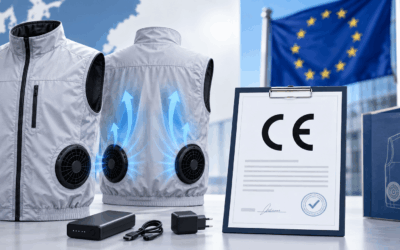
A fan cooling vest normally uses two compact brushless fans installed near the lower back or sides of the garment. A rechargeable battery powers the fans, which pull outside air into the vest. The air then moves across the back, waist and upper body before escaping through the collar and cuffs.
Unlike PCM or ice-pack cooling vests, a fan vest does not use frozen inserts to absorb body heat. It creates continuous ventilation instead. The effect is strongest when the wearer is sweating and the surrounding air is dry enough to support evaporation.
Most battery-powered fan cooling vests provide multiple speed settings so workers can balance airflow and battery life. Depending on the battery capacity, fan speed and working conditions, a system may support several hours of use or cover most of a work shift with a spare battery.
Construction and Roadwork

Construction is one of the most common applications for fan cooling vests. Roofers, concrete workers, surveyors, road crews and equipment operators often work in direct sunlight while also receiving heat reflected from asphalt, concrete and machinery.
A fan vest provides continuous airflow without requiring workers to carry heavy frozen packs. It can be particularly useful during tasks involving frequent walking, lifting, bending or climbing because the cooling system moves with the wearer.
For construction and public works, buyers should look for:
-
High-visibility colors and reflective tape where required
-
Lightweight, abrasion-resistant fabric
-
Fan positions that do not interfere with safety harnesses or tool belts
-
Secure battery pockets and protected cable routing
-
Multiple airflow settings for changing temperatures and workloads
-
Removable electronic components for easier garment cleaning
A fan cooling vest can support a broader heat-stress program, but it does not replace shade, hydration, acclimatization, rest breaks or workplace heat-safety procedures.
Warehouses and Distribution Centers
Large warehouses can become extremely hot during summer, especially near loading docks, mezzanines, conveyor systems and metal roofs. Air-conditioning the entire building may be technically difficult or too expensive, while fixed fans cannot follow employees as they move between picking and packing areas.
Wearable fan cooling vests give pickers, packers, forklift operators and loading crews personal airflow throughout their tasks. The vest is most effective when its cut allows workers to reach, bend and lift without blocking the internal air channels.
For warehouse applications, comfort and battery management are usually more important than maximum fan power. Buyers should consider a lightweight fabric, low operating noise, simple controls and a battery that can cover the intended shift. Replaceable batteries are valuable for overtime, multiple shifts and sites where workers cannot stop for recharging.
Logistics and Last-Mile Delivery

Delivery drivers repeatedly move between air-conditioned vehicles, hot cargo areas and outdoor locations. Heat can build up quickly during parcel handling, especially when vans are parked in direct sun.
A battery-powered fan vest works well for this type of mobile job because it does not require a fixed air supply or refrigerated inserts. Drivers can adjust the fan speed during loading, driving and doorstep delivery. A slim design also makes it easier to sit comfortably and wear a seat belt.
Useful specifications for logistics teams include:
-
A low-profile fan housing that does not press against the vehicle seat
-
Quiet brushless motors for use inside the cab
-
USB or suitable mobile charging options
-
Easy battery replacement between routes
-
Breathable, quick-drying fabric
-
Pockets that remain accessible while seated
Uniform suppliers and delivery brands may also require custom colors, logos, size grading and packaging for large workforce rollouts.
Agriculture, Landscaping and Grounds Maintenance
Farm workers, gardeners, landscapers and grounds crews may spend an entire day outdoors with limited access to indoor cooling. The work often involves constant movement, making fixed fans and other stationary cooling methods impractical.
Fan cooling vests can help circulate air around the torso during planting, harvesting, mowing, trimming and general maintenance. Lightweight vest styles offer good arm movement, while fan cooling jackets provide more sun coverage when long sleeves are needed.
Outdoor models should use durable, breathable materials and secure fan covers that reduce the entry of leaves and larger debris. Dusty agricultural sites may require more frequent cleaning and inspection of the fans. Buyers should also check water-resistance claims carefully: protection against light splashes does not mean the fan or battery can be submerged or used in heavy rain.
Manufacturing and Assembly Plants
Fan cooling workwear can be useful in factories where the main heat problem comes from high room temperatures, machinery and limited ventilation. Typical users include assembly-line workers, machine operators, maintenance teams and employees in non-air-conditioned production areas.
Because factory work may involve moving parts, sparks, dust, chemicals or electrostatic-sensitive processes, a standard fan vest should never be selected on temperature alone. The site risk assessment must come first.
In suitable low-risk areas, procurement teams should evaluate:
-
Whether loose fabric, cables or fan housings could create an entanglement hazard
-
Whether the fans could draw dust or contaminants into the garment
-
Whether the battery and electronics are permitted in the work zone
-
Whether the vest fits under or over existing PPE without restricting movement
-
Whether the garment requires anti-static, flame-resistant or other certified materials
Standard fan cooling vests are generally not intended for welding, molten-metal work or direct exposure to flames and sparks. These applications require purpose-designed protective clothing and documented compliance with the relevant safety standards.
Utilities, Telecommunications and Field Service
Utility technicians, telecom installers, inspectors and maintenance workers frequently move between vehicles, outdoor sites, rooftops and equipment rooms. Their work combines heat exposure with climbing, kneeling and tool use, so a bulky cooling system can become a problem.
A lightweight fan cooling vest can provide portable ventilation while keeping the arms free. For these applications, the garment needs to work with fall-protection equipment, radios, tool belts and other PPE. Fan and battery placement should be tested with the complete work setup rather than evaluated on the vest alone.
High-visibility options may be needed for roadside work. For electrical or hazardous locations, buyers must confirm whether powered cooling apparel is allowed and whether additional flame-resistant, anti-static or electrical safety certification is required.
Workshops, Garages and Vehicle Maintenance

Automotive garages, repair shops and equipment maintenance facilities often have open doors but limited air-conditioning. Mechanics also work around engines and vehicles that continue releasing heat after operation.
Fan cooling vests can improve personal airflow during inspection, tire service, routine repair and other general workshop tasks. A sleeveless vest is often preferred because it leaves the arms unrestricted and fits more easily under light protective layers.
However, standard fan vests should be kept away from welding, grinding sparks, fuel vapors and other ignition hazards unless the complete product is specifically designed and approved for those conditions.
Events, Security and Outdoor Operations
Event staff, parking attendants, security teams and venue crews may stand or walk outdoors for hours while wearing uniforms or high-visibility clothing. Fan cooling vests offer continuous, wearable airflow without tying workers to a cooling station.
Low noise, a professional appearance and concealed wiring are important in customer-facing roles. Custom branding can also help the vest match an existing uniform program. For teams working long events, buyers should plan battery capacity, spare batteries and charging procedures before deployment.
Where Fan Cooling Vests Are Less Effective or Unsuitable
Knowing where not to use a fan cooling vest is just as important as knowing its applications.
Very Hot Air
Fans circulate the surrounding air; they do not actively refrigerate it. If the air temperature is higher than skin temperature, airflow alone may not provide adequate cooling and can increase heat gain in some conditions. Additional engineering controls or another cooling method may be necessary.
High Humidity
Fan cooling relies heavily on sweat evaporation. When humidity is high, sweat evaporates more slowly, so the cooling effect becomes weaker. Buyers should test the vest under the actual temperature, humidity and workload expected at the job site.
Sealed Protective Clothing
Air must enter and exit the garment. A fan vest may perform poorly under airtight coveralls, chemical suits or tightly sealed protective layers unless the complete clothing system has been designed for powered ventilation.
Explosive or Ignition-Sensitive Areas
Standard batteries, switches and fan motors may not be permitted in hazardous locations such as some refineries, chemical plants, mines or fuel-handling areas. Only properly certified equipment should be considered, and site safety rules always take priority.
Flames, Sparks and Molten Metal
A regular polyester or nylon fan cooling vest is not a substitute for flame-resistant protective clothing. Welding, foundry and similar applications require materials and components designed for the hazard and supported by the appropriate test documentation.
How to Choose a Fan Cooling Vest for Industrial Use
The right product depends on the working environment, not simply on the highest advertised fan speed. B2B buyers should compare the following factors.
Airflow and Speed Control
Multiple fan speeds allow workers to use stronger airflow during peak heat and conserve battery power during lighter tasks. Ask the supplier how airflow was measured and whether performance changes after the fans are installed in the garment.
Battery Runtime and Replacement
Runtime should be stated by speed setting, because maximum airflow drains the battery faster. For long shifts, consider replaceable battery packs, safe charging procedures and the number of spare batteries required per worker.
Fabric and Garment Design
Lightweight fabric improves comfort, but industrial garments also need adequate tear and abrasion resistance. The waist, collar and cuffs should guide air around the body without making the vest feel restrictive. Mesh panels and adjustable hems can help manage airflow and fit.
Noise Level
Low-noise brushless fans are better for warehouses, delivery vehicles, events and other workplaces where communication matters. Evaluate noise while the vest is being worn, not only when the fan is tested on a table.
PPE Compatibility
Check the vest together with harnesses, reflective garments, radios, belts and other required equipment. Fans located directly beneath a backpack, vehicle seat or harness may be blocked or uncomfortable.
Cleaning and Maintenance
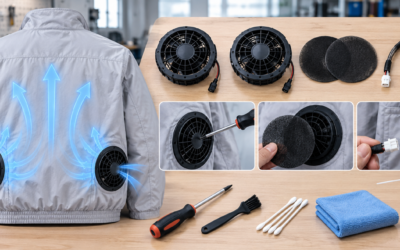
Fans, batteries and cables should be removable before washing. Buyers should request clear cleaning instructions, replacement-part availability and expected fan motor life. A simple maintenance process makes large workforce programs easier to manage.
Customization and Compliance
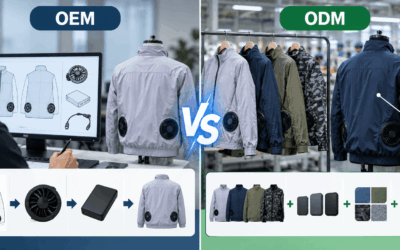
Distributors and workwear brands may need custom colors, logos, pocket layouts, reflective tape, size ranges, packaging or battery configurations. Certification requirements vary by country and industry, so buyers should confirm which claims apply to the complete finished vest rather than to an individual fabric or electronic component.
Fan Cooling Vest Applications: Frequently Asked Questions
What Jobs Use Fan Cooling Vests?
Fan cooling vests are commonly used by construction crews, warehouse workers, delivery drivers, farm workers, landscapers, factory employees, utility technicians, mechanics, security teams and outdoor event staff. They are best suited to mobile work in hot environments where powered electronics are permitted.
Do Fan Cooling Vests Work Indoors?
Yes. They can be effective in hot warehouses, workshops and manufacturing areas because the built-in fans create personal airflow even when fixed ventilation is limited. Performance still depends on air temperature, humidity and the clothing worn over the vest.
Can a Fan Cooling Vest Be Worn With PPE?
It can be worn with some PPE, but compatibility must be tested. Harnesses, tool belts, backpacks and outer garments can block the fans or restrict airflow. Hazard-specific PPE requirements must always take priority.
Are Fan Cooling Vests Suitable for Humid Climates?
They may still improve airflow and comfort, but their evaporative cooling effect decreases as humidity rises. Testing in the actual working environment is the most reliable way to judge performance.
How Long Does a Battery-Powered Fan Vest Run?
Runtime varies with battery capacity, fan size and speed setting. Lower speeds normally provide longer operation, while maximum speed uses more power. Buyers should request runtime data for every speed and plan spare batteries for extended shifts.
Conclusion
Fan cooling vests are most useful in construction, warehousing, logistics, agriculture, utilities, general manufacturing and other mobile jobs exposed to summer heat. Their key advantage is continuous wearable airflow without frozen packs or a fixed air connection.
Successful selection depends on more than cooling power. Air temperature, humidity, battery runtime, garment construction, PPE compatibility and workplace hazards all affect whether a fan vest is appropriate. A site-specific trial is therefore a sensible step before a large rollout.
IceBear develops and manufactures customizable fan cooling vests and jackets for workwear brands, distributors and industrial buyers. Options can include multiple fan speeds, rechargeable battery systems, high-visibility designs, custom fabrics, logos, sizing and packaging. Contact us to discuss your target industry, climate, compliance needs and order requirements.