
Many people store away their cooling vests after summer, intending to use them again during the next hot season. However, improper storage can lead to odors, mold, material aging, and even reduced effectiveness after a few months.
In fact, routine maintenance of cooling vests is not complicated. The key is to take several steps before long-term storage, such as thorough cleaning, complete drying, and using appropriate storage methods for different types of products.
This article will introduce how to clean, dry, and store different types of cooling vests, including evaporative cooling vests, PCM phase change cooling vests, and ice pack cooling vests, helping your product maintain good usability in the next hot season.
How to Clean Your Cooling Vest Before Off-Season Storage
Dirty sweat, body oils, and other impurities not only produce unpleasant odors but also damage the vest’s material over time. Therefore, cleaning before storage is crucial and the most important step in protecting your purchase.
First, be sure to remove all removable parts, including the fan, battery pack, cooling pad, and gel pack. Never wash the vest while electronic components are still attached, and under no circumstances should the fan module be immersed in water, as this will cause direct damage.
Cleaning by Vest Type
Evaporative cooling vests are the easiest to clean; simply hand wash with warm water and mild soap. Gently brush the fabric with a soft-bristled brush. Do not soak or iron, and do not use bleach.
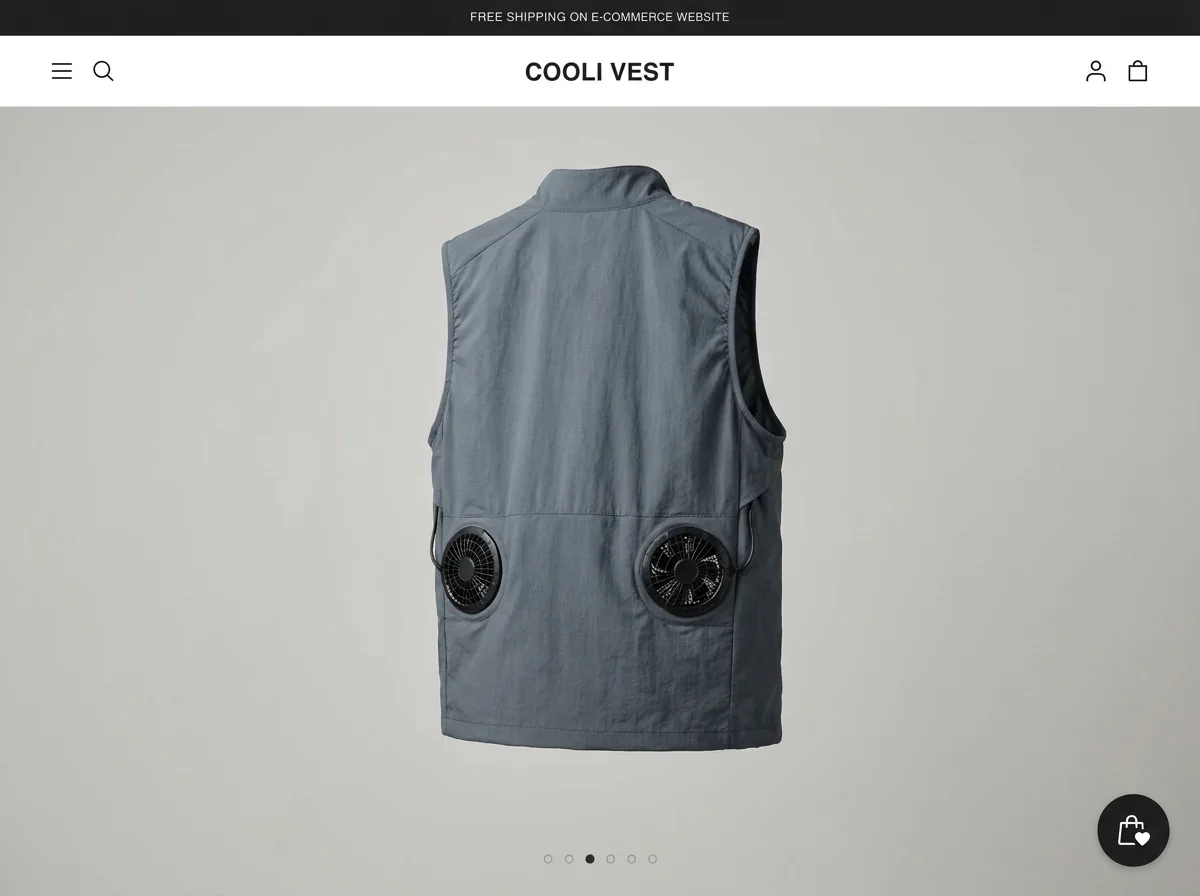
Fan-cooled cooling vests require a more thorough cleaning of the outer shell. How to clean minor sweat stains and dirt? Wipe with a damp cloth dampened with mild soap to remove most dirt. For deep cleaning, hand wash with cold water—this is the safest option. If machine washing, handle with care. Place the vest in a laundry bag, select the gentlest wash cycle, and keep the water temperature at 30°C (86°F) or below. Never use bleach or fabric softener.
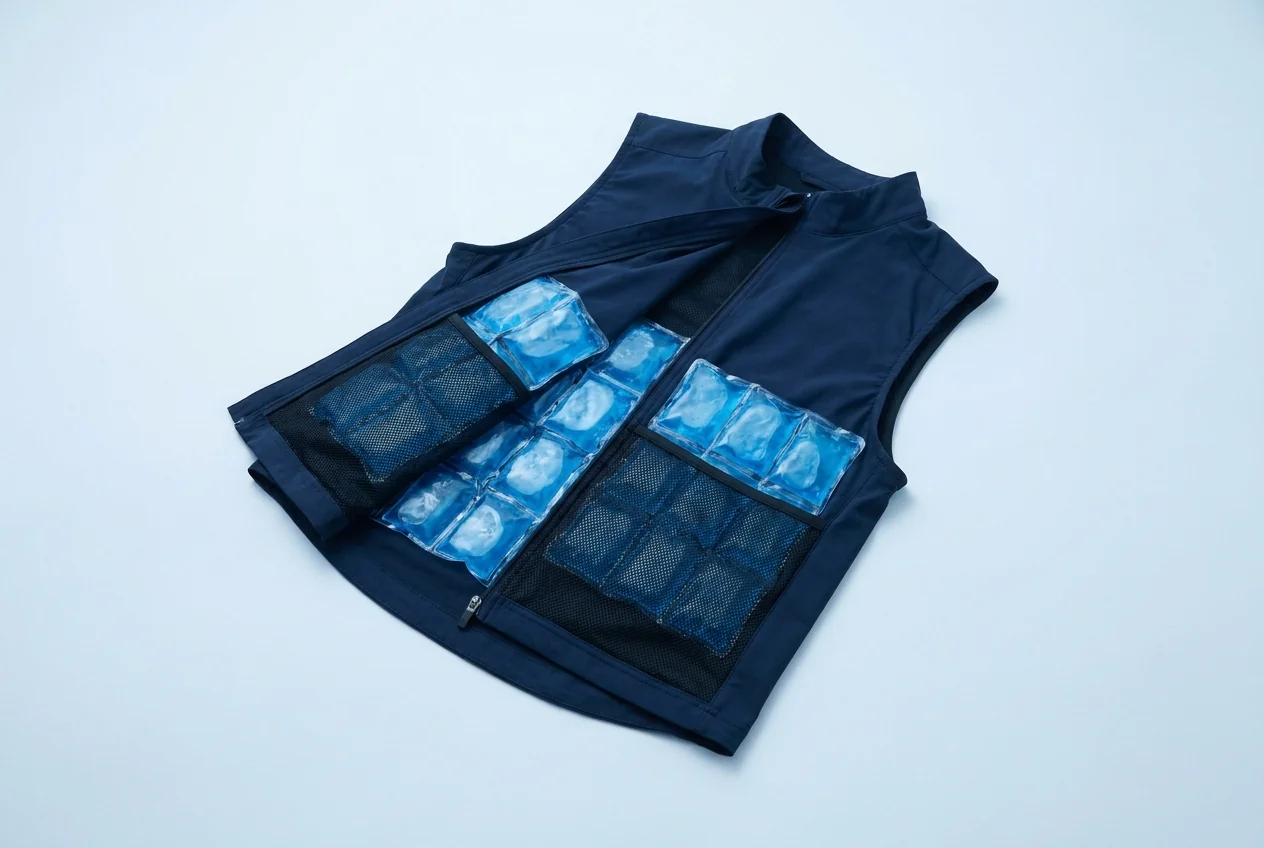
The washing rules for gel pack and ice pack cooling vests are simple: the garment and gel pack must be washed separately. The garment itself can be gently machine washed with a mild detergent, while the gel pack requires separate handling—see the storage section below for more details.
Rules applicable to all types of vests:
Dry thoroughly, without exception.
Do not wring the vest. Wringing will deform the fan housing and internal channels. Do not use a dryer or iron. Hang or lay flat and allow sufficient time to air dry; remember, it must be completely dry.
Storing a vest with residual moisture can lead to mold, unpleasant odors, and, for fan-type vests, electrical damage that may not be discovered until you most need to use the vest.
How to Properly Dry a Cooling Vest? This is the Most Important Step Before Storage
Many people overlook the crucial step of thoroughly drying their cooling vests before storing them.
Just because the surface looks dry doesn’t mean there’s no moisture inside. This is especially true for evaporative cooling vests with multi-layered absorbent structures; moisture may remain inside the fabric. If folded and stored directly, prolonged exposure to dampness can lead to odors, bacterial growth, and even affect material performance.
Therefore, thorough drying before long-term storage is the most critical step in protecting your cooling vest.
Why Incomplete Drying Affects Product Lifespan?
Evaporative cooling vests rely on absorbent materials to store and release moisture. After use, moisture may still remain in the internal fibers and layers. If not completely dry, the damp environment can cause odors and may affect absorbency and cooling performance for the next use.
For PCM phase change cooling vests, the precautions are different. High-temperature drying is not recommended for PCM modules, as excessively high temperatures may affect the stability of the internal materials and reduce long-term performance.
Therefore, regardless of the type of cooling vest, it is not recommended to use a dryer, heater, or high-temperature environment to achieve rapid drying.
How should different types of cooling vests be dried?
The simplest and safest method:
Air dry.
Hang the cooling vest in a well-ventilated area, or lay it flat on a clean, dry surface, allowing the air to naturally carry away the internal moisture.
Avoid the following methods:
Using a dryer;
Placing it near heaters or hot air devices;
Prolonged exposure to high temperatures and direct sunlight.
These methods may affect the lifespan of the fabric, bonding structure, or internal cooling components.
How to ensure the vest is completely dry before storing?
Before folding and storing, you can check a few simple areas:
Press on the thicker areas of the vest to confirm there is no dampness or noticeable coolness;
Check the seams, inner pockets, and areas where cooling modules are located, as these areas are most prone to moisture retention;
If it is a fan-cooled vest, also check that the area around the fan installation is dry.
If there is no internal moisture, the weight has returned to normal, and there is no damp odor, you can proceed to the next storage step.
It is generally recommended to allow it to air dry naturally for at least 24-48 hours to ensure that all internal moisture has completely evaporated.
Putting this step into practice can significantly extend the lifespan of the cooling vest, allowing the product to maintain its excellent performance in the next hot season.
How to Store Cooling Modules and Cooling Packs of a Cooling Vest Separately?
Many people only focus on the cleanliness of the outer garment when storing a cooling vest, neglecting the internal cooling components. In fact, the storage method of the PCM module, ice pack, and evaporative core material directly affects the cooling effect during the next use.
Different types of cooling components require different storage methods. Proper handling of these components can prevent problems such as cracking, deformation, odor, and performance degradation.
How to Store PCM Phase Change Modules?
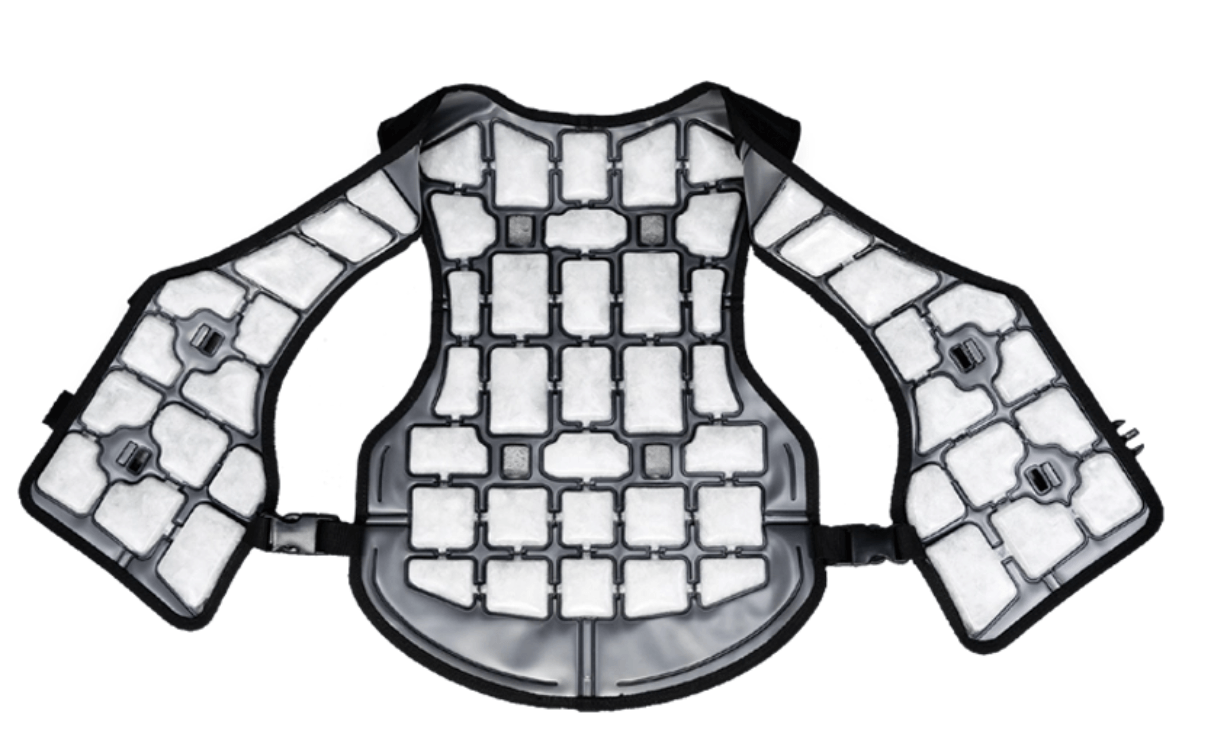
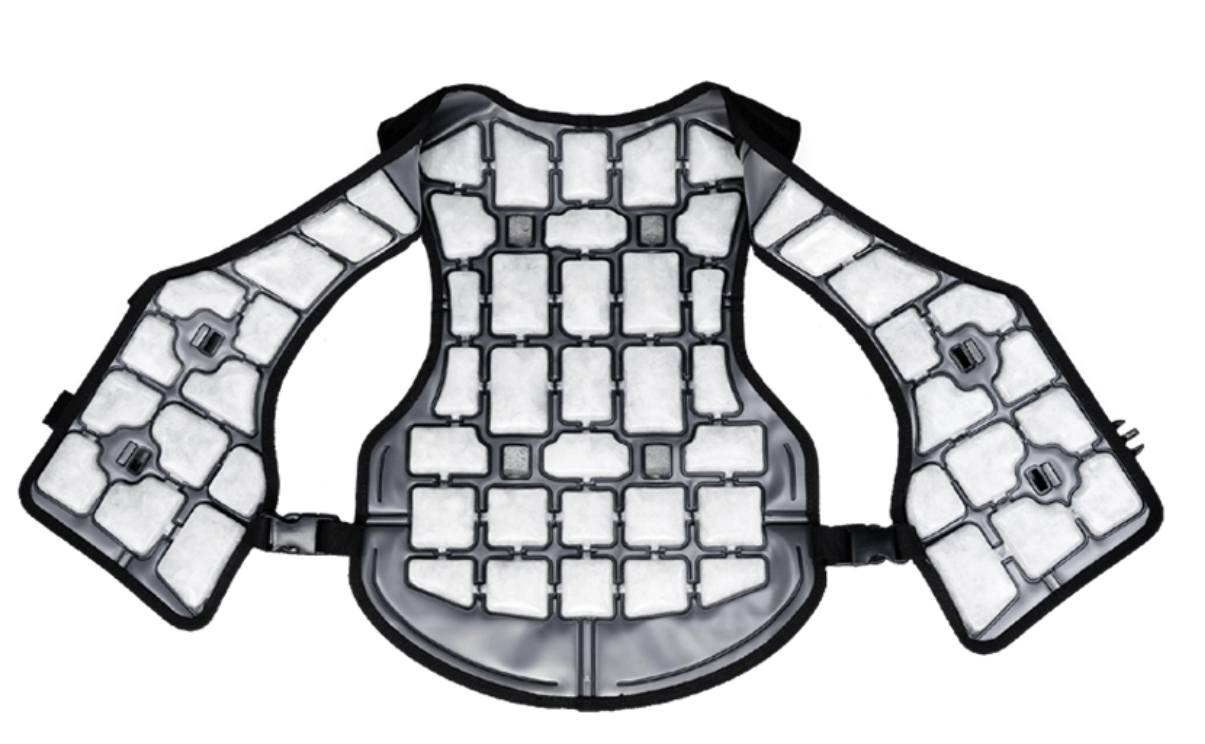
For long-term storage of PCM modules, the key is to maintain the stability of the internal materials.
After use, wipe the surface of the module dry before storing it. For long-term storage, it is recommended to keep it flat to avoid uneven material distribution caused by prolonged vertical placement. Multiple PCM modules with remaining moisture should not be stacked directly for freezing, as this can cause them to stick together and potentially damage the outer shell when handled.
If long-term freezing storage is required, it is best to use individual packaging bags for isolation and avoid placing them with sharp objects. This not only protects the module but also facilitates quick access for future use.
When reusing, simply perform pre-cooling activation. The required time will vary depending on the module thickness and cooling method.
How to store ice packs and gel packs long-term?
The key to storing ice packs and gel packs is to avoid damage and material aging.
Before storing, clean the surface and ensure there is no residual moisture. Prolonged compression, folding, or contact with sharp objects can affect the packaging structure, leading to leakage during subsequent use.
If storing multiple ice packs together, insert a separating material between them to prevent them from sticking together. For spare ice packs that are not frequently used, store them in a dry, cool place and check regularly for cracks, deformation, or unusual odors.
Before reusing, ensure the ice pack is intact before freezing.
How to store evaporative cooling core material?
Compared to PCM and ice packs, evaporative cooling materials are relatively easy to store, but drying is still essential.
Because these products rely on absorbent materials to store moisture, if they are folded and stored immediately after use, residual moisture can easily accumulate inside, leading to odors or affecting absorbency for the next use.
Therefore, the core material should be completely dried before long-term storage, and the product should be placed in a well-ventilated, dry location. For the next use, simply re-soaking it in water to reactivate its cooling capacity will restore its cooling ability.
What precautions should be taken for all cooling components?
Regardless of the cooling technology used, long-term storage should avoid humid, high-temperature, and direct sunlight environments.
If possible, it is best to individually package the cooling modules and clearly label them to avoid storing them with food or items with strong odors. Good storage practices not only extend the lifespan of the cooling components but also ensure that the cooling vest maintains stable performance in the next hot season.
How to Choose the Right Storage Environment for Cooling Vests?
Where you store a cooling vest is often more important than many people realize.
The effects of temperature and humidity are usually not immediately apparent, but after months or even longer of inactivity, an improper storage environment can gradually affect the lifespan of the fabric, seams, and cooling components.
Especially for PCM phase-change cooling vests, prolonged exposure to high temperatures can affect the stability of the internal materials, reducing their cooling performance in future use.
What kind of storage environment is suitable?
The ideal environment is:
A cool, dry, well-ventilated indoor space with a relatively stable temperature.
For example, a wardrobe, storage shelf, or a dedicated equipment storage area at home are generally suitable.
In contrast, environments such as inside a car, a warehouse without air conditioning, or a garage in the summer heat are not recommended. Especially during hot seasons, these places experience large temperature fluctuations, and prolonged storage may accelerate material aging.
Humidity also needs attention.
Besides high temperatures, humidity is another issue that needs to be avoided when storing cooling vests for extended periods.
Excessive humidity can negatively impact fabric performance, causing seams, adhesive structures, and some auxiliary materials to age gradually. It also increases the risk of odors and mold growth.
Therefore, even after cleaning and drying before storage, it is recommended to store the product in a dry environment and avoid prolonged placement in enclosed, damp locations.
How should cooling modules be arranged?
If you have spare PCM modules, ice packs, or other cooling components, it is recommended to store them separately and avoid haphazard stacking.
For users requiring long-term use, it is advisable to plan ahead for spare modules. For example, keeping some cooling components operational will eliminate the need to search for or wait for replacements when hot weather arrives again.
Proper storage can extend product lifespan.
High-quality cooling components can typically support multiple reuses, but their actual lifespan is affected by daily maintenance and storage methods.
A good storage environment cannot keep the product in pristine condition indefinitely, but it can maximize material performance, ensuring that each cooling cycle is effective.
How to Fold and Store a Cooling Vest to Prevent Deformation?
The shape of a cooling vest not only affects wearing comfort but also its actual cooling effect.
If it is squeezed, over-folded, or develops noticeable creases in the wrong places during long-term storage, it may experience problems such as decreased fit and uneven installation of the cooling modules when used again.
Therefore, the goal of storage is simple: avoid pressure on the internal structure and prevent long-term creases in the cooling areas.
Before storing, lay the cooling vest flat on a clean, dry surface, smooth out any wrinkles, and allow the garment to return to its natural unfolded state. When folding, gently gather the sides towards the center, keeping the front and back fabric flat to avoid repeated compression of the internal module areas.
A gentle roll-up is usually better than over-folding. Simply roll the vest naturally from bottom to top; there’s no need to roll it too tightly. This reduces long-term pressure on the fabric and module areas and better preserves the internal structure of the garment.
Also, vacuum compression bags or over-compression storage methods are not recommended. While this method saves space, prolonged compression can damage the interlayer structure, airflow areas, or internal support materials, reducing the user experience.
Avoid prolonged compression after storage.
After packaging, it’s recommended to store the cooling vest separately or in a breathable storage bag.
Do not pile heavy items on top of it, and do not sandwich it between layers of clothing for extended periods. Continuous pressure can cause the vest to gradually deform, affecting its fit the next time it’s worn.
If you have multiple cooling products or different types of modules, it’s recommended to label them simply on the outside of the storage bag. This will make it easier to find and check the product’s condition when the next hot season arrives.
Proper folding and storage methods are not complicated, but they help the cooling vest maintain its shape better, ensuring the product retains its comfort and cooling performance for the next use.
Type-Specific Storage Guide: Evaporative vs Phase Change vs Ice Pack Vests
Different types of cooling vests work on different principles, therefore requiring different storage methods during the off-season.
Using the same method to treat all products may affect material performance and even reduce cooling effectiveness the next time they are used.
Evaporative Cooling Vests: Thorough Drying is Key
Evaporative cooling vests rely on absorbent materials to store moisture, so the most important thing before storing them is to ensure the inside is completely dry.
Many people mistakenly believe that once the surface feels dry, it’s ready to store, but in reality, the internal absorbent layer may still retain moisture. If left damp and folded for a long time, the material may clump, harden, or lose its absorbency.
Therefore, before storing an evaporative cooling vest, allow it sufficient time to air dry naturally. Only fold or store it after confirming that the inside is no longer damp.
When storing, do not compress it excessively; leave it in a natural state. Slightly loose folding or hanging storage helps maintain the internal absorbent structure.
For these types of products, storage itself isn’t complicated; the key is not to rush to put them away.
PCM Phase Change Cooling Jacket: Protecting the Stability of the Cooling Module
The key to PCM cooling jackets is the preservation of the cooling module.
After use, ensure the PCM module surface is dry before long-term storage. If there is moisture on the module surface, it may stick together after freezing, affecting subsequent use.
For long-term storage, it is recommended to keep the PCM module flat, which helps maintain a more uniform state of the internal phase change material.
If a small amount of crystallization or morphological changes are observed inside the module during storage, it usually does not indicate damage. Allow the module to naturally return to a liquid state, then reshape it and cool it to reactivate.
Before the next use, simply re-cool it using the normal method. The reactivation time will vary depending on the thickness and structure of the PCM module.
Ice Pack Cooling Jacket: Keep it Frozen and Integrity
Compared to other types, ice pack cooling jackets are relatively simple to store.
After use, clean and check the ice pack or gel pack for integrity, then lay it flat and store it in the freezer. Note that ordinary refrigeration environments usually cannot reach the temperature required to reactivate the ice pack; therefore, a dedicated freezing system is necessary for long-term storage.
If you plan to use it continuously throughout the hot season, it is recommended to prepare spare ice packs in advance for rotation. This will avoid disrupting your work schedule by waiting for freezing time.
Different technologies, different maintenance methods
In short:
Evaporative cooling vests are most susceptible to moisture damage during storage;
PCM cooling vests require protection of the internal phase change module;
Ice pack cooling vests prioritize maintaining their freezing capacity and packaging integrity.
Understanding the cooling technology used in the product and maintaining it accordingly will ensure the cooling vest maintains stable performance across multiple seasons.
|
Type |
Storage Location |
Key Prep Step |
Cooling Duration |
|---|---|---|---|
|
Evaporative |
Room temp (dry) |
Full dry + loose fold |
Re-wet each use |
|
Phase Change |
Freezer or fridge |
Dry flat, reshape if needed |
2–4 hours |
|
Ice Pack |
Freezer only |
Store flat |
Up to 4 hours |
Common Storage Mistakes for Cooling Vests and How to Avoid Them
Many cooling vests don’t fail during use, but rather develop problems gradually during long-term storage.
After several months of storage, improper handling can affect the cooling modules, fabric structure, and internal materials, leading to issues like shortened cooling time, module deformation, or decreased wearing comfort upon next use.
Here are some of the most common storage mistakes:
1. Freezing PCM Modules Before They’re Dry
Placing PCM modules directly into the freezer after use if they still have moisture on the surface can cause multiple modules to stick together and may increase the risk of damaging the outer shell when retrieving them.
The correct approach is simple: Before freezing, wipe the surface of the modules dry and ensure there is no noticeable moisture inside the packaging.
This small step takes only a few seconds but helps maintain the long-term stability of the PCM modules.
2. Prolonged Exposure of PCM Modules to Freezing Environments
Placing PCM modules directly in the freezer for extended periods can cause frost to form on the module surface or affect the condition of the external materials due to temperature changes.
A better approach is to individually package the modules in clean, sealed bags. This reduces the impact of frost and prevents them from sticking together.
Furthermore, categorizing and storing different modules makes them more convenient for future use.
3. Storing Cooling Modules in High-Temperature Environments for Extended Periods
High-temperature environments are a major concern when storing PCM products.
For example, temperatures inside a car in summer, in a poorly ventilated warehouse, or in direct sunlight can be significantly higher than indoor temperatures. Prolonged exposure to such conditions can affect the stability of the phase change material and reduce its cooling performance in future use.
Therefore, cooling jackets and modules should ideally be stored in a cool, dry location with stable temperature.
4. Neglecting a Simple Pre-Storage Check
Taking a few minutes to check the product’s condition before storing it can prevent problems in the following season.
Confirm:
The PCM module or ice pack is intact, without cracks or leaks;
The product is completely clean and dry;
Cooling components are individually packaged;
The storage location is away from high-temperature and humid environments;
There are no heavy objects placed on top of it for extended periods.
These steps are not complicated, but they can help extend the lifespan of cooling vests and cooling components.
How to check if a cooling vest is still usable?
After several months of storage, it’s recommended to take a few minutes to check the condition of your cooling vest before using it again.
First, observe its overall appearance. Confirm that the fabric has no obvious mold, odor, or discoloration. If these problems are found, clean them first before continuing use.
Also, check if the garment’s structure remains intact. Long-term storage or improper placement may cause deformation in some areas, affecting the fit. A cooling vest only provides optimal cooling when it maintains good contact with the body.
The cooling components also need careful inspection.
For evaporative cooling products, observe whether the absorbent material remains soft and absorbent. If the material has hardened or its absorbency has decreased, re-soak and reactivate it to see if it returns to normal.
For PCM phase change modules, check if the module is intact and free of cracks, deformation, or abnormal conditions. If the module is visibly damaged, it is recommended to replace the cooling component instead of continuing to use it.
Ice packs or gel packs require verification that the outer packaging is intact, without leakage or damage.
After years of repeated use, any cooling material will gradually experience performance changes. For example, after numerous thermal cycles, the heat storage capacity of a PCM module may decrease, resulting in a shorter cooling duration. This usually means replacing the module, not the entire cooling jacket.
Proper storage ensures long-term cooling jacket performance.
Cooling jackets are not only summer items but also essential equipment for workers coping with high-temperature environments.
After each high-temperature season, only a few key steps are needed:
Clean the product, dry it thoroughly, and choose a suitable storage environment.
These simple maintenance habits can effectively reduce odors, material aging, and wear and tear on cooling components, ensuring stable product performance for the next high-temperature season.
For enterprise users and long-term users, good maintenance not only extends product lifespan but also reduces the costs associated with frequent equipment replacements.
If you are looking for a cooling solution suitable for long-term high-temperature operations, ICEBEAR offers Evaporative Cooling Vest, PCM Cooling Vest, and OEM/ODM customized cooling products to help companies choose the most suitable high-temperature protection solution for different working environments.