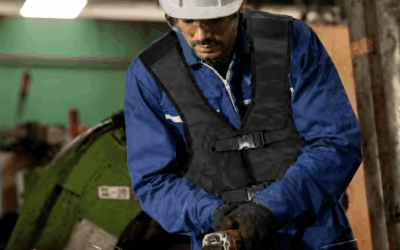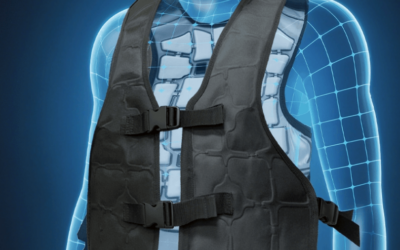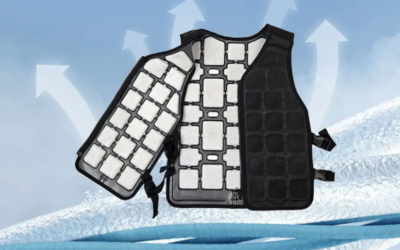
Maintaining a PCM cooling vest isn’t complicated once you understand the two-part system you’re working with. The cleaning instructions here walk you through separating the shell from the packs, choosing hand wash versus machine wash, drying without damage, and storing everything correctly between uses. Follow this guide, and you’ll keep your vest performing at full strength for years, not just one summer.
Pre-Wash Preparation: Removing PCM Inserts and Closing Fasteners

Every PCM cooling vest hides its packs a little differently. Zipper-pocket designs want you to open the main zip and slide each element out from the inside pocket without yanking. Side-insert styles need the pack pushed flat along the pocket seam. Velcro-flap models require you to peel back the closure, pull top-to-bottom, then reseal the flap immediately.
Brands are blunt about this step. Ansell’s instructions say to remove PCM elements before washing, full stop. TST Sweden tells you to pull every Temptech® insert and close all hook-and-loop fasteners first. EZ Cooldown echoes the same rule.
Before loading anything, run your hands over every pocket—chest, back, sides, hem—checking for leftover slim inserts, especially at pocket corners where thin panels hide. Then zip the main closure, press every Velcro strip flat, and snap all buttons. Skipping this invites snagging, pocket flip-out, and torn seams during the cycle.
How to Wash the PCM Cooling Vest Shell (Hand Wash vs Machine Wash)

Once the packs are out and the vest is sealed, you can hand wash or machine wash it. Most manufacturers still say hand washing is safer, but plenty of newer shells can handle the machine if you follow their rules. Here’s how both work.
Hand Washing: The Safest Route
Start with water temperature. Stick to 30°C–40°C (86°F–104°F). If the tag doesn’t specify, stay at or under 30°C.
Steps:
-
Fill a basin with warm water and add a mild, neutral detergent. No high-foam formulas or harsh alkaline cleaners.
-
Submerge the shell and gently agitate for 2–3 minutes, focusing on sweat-heavy zones like the collar, underarms, and back panel.
-
For stubborn spots, do a short soak of 5–10 minutes max. Longer soaks stress seams and coatings.
-
Rinse in clean water until every trace of suds disappears.
-
Skip the wringing. Press water out by laying the vest flat and blotting, or give it a low-speed spin if your machine allows a spin-only cycle.
Machine Washing: Only If the Label Says Yes
Not every PCM cooling vest is built for a washing machine. Check the tag first. Don’t assume. If it’s cleared for machine washing, here’s what that typically looks like:
-
Wash at 30°C or 40°C, whichever the label specifies.
-
Remove PCM inserts first, no exceptions.
-
Use a gentle, wool, or delicate cycle, never a standard or heavy-duty setting.
-
Place the vest inside a mesh laundry bag to protect zippers and seams from friction.
-
Wash it alone or with lightweight technical fabrics. Keep it away from jeans, towels, or anything bulky that could tug at the fabric.
-
Choose a front-loading machine if you have one. Top-loaders with agitators are rougher on the shell.
-
Skip the spin cycle, or set it to the lowest speed available.
Pretreating Stains Before the Main Wash
Sweat and odor: Dab the affected area with neutral detergent and rub gently before the full wash.
Oil or grease: These need more attention than sweat stains. Apply a small amount of mild detergent directly to the spot, press it in gently (don’t scrub hard), and let it sit briefly before washing.
What to Never Do
-
No bleach. It breaks down fabric coatings fast.
-
No fabric softener. It clogs the moisture-wicking properties built into the shell.
-
No aggressive scrubbing or wringing. This tears seams and mesh panels.
-
No dryers, no ironing, no dry cleaning. Ever.
Proper Drying Method for PCM Cooling Vest
Drying is where most people undo the careful washing they just did. One trip through a hot dryer, and you’ve compromised the phase change material for good.
Air dry only, that’s the rule across nearly every PCM cooling vest maker. Hang your vest or lay it flat in a well-ventilated room. If you’re drying multiple vests at a work site, a drying cabinet with good airflow works too. Skip anything with heat—no space heaters, no vents from a dryer, no spot near a furnace.
Keep it out of direct sunlight. Direct sun accelerates aging in the fabric, the elastic panels, and the PCM material itself. Find a shaded spot instead, even if it takes an extra hour to dry.
Why Tumble Drying Is a Hard No
Manufacturer instructions don’t hedge on this: “Do not tumble dry.” Here’s what happens if you ignore it:
-
PCM inserts soften prematurely. Heat causes the material to degrade faster, cutting into how well it stores and releases cold.
-
Fabric shrinks and coatings break down. Seams weaken, elastic loses stretch, and waterproof coatings crack under sustained heat and tumbling.
-
Hardware warps. Zippers, Velcro, and reflective strips take damage from the mechanical action, shortening your vest’s overall lifespan.
Checking the Care Label for Spin Settings
Look for a circle icon. A dot or line inside means limited spin is fine. A crossed-out circle means no drying heat whatsoever—air dry exclusively. When in doubt, skip the spin and go straight to laying it flat or hanging it up until fully dry before storage.
Cleaning and Caring for PCM Cooling Packs (Separate from Vest Shell)
The packs get less attention than the shell, but they’re the more fragile piece of the system. That thin membrane holds the phase change material in place, and a wrong move—dishwasher, machine wash, hard scrubbing—can rupture the seal and leak gel everywhere. Once that happens, the pack is done. No amount of drying or refreezing brings it back.
Wipe-clean is the default method, and it’s usually all you need. Grab a soft, damp microfiber cloth, add a tiny bit of mild soap if there’s visible grime, and wipe the outside surface gently. Stay away from the seams and edges. That’s where the material is thinnest and most likely to puncture under pressure.
When Hand Washing the PCM Pack Makes Sense
If sweat or odor has soaked in deep enough that a wipe won’t cut it, move to a brief hand wash instead:
-
Fill a small basin with warm water and a mild detergent.
-
Hold the pack and clean it lightly by hand—no dunking, no soaking, no twisting.
-
Rinse off any soap residue quickly and carefully.
-
Blot dry with a paper towel or clean cloth.
-
Let it air dry completely before it goes anywhere near the vest shell again.
Manufacturers are consistent across nearly every phase change material vest guide: never machine wash, never machine dry, never run it through a dishwasher. The agitation and heat is exactly what causes leakage and structural damage.
Confirming the Pack Is Fully Dry
Press a paper towel against the surface, seams, and edges. If it comes away dry with zero damp marks, you’re good to reinsert. If there’s any moisture left, give it more air-dry time. Reinserting a pack that isn’t fully dry invites mold, odor, and slower cooling performance the next time you wear the vest.
Once dry, store it flat and separate from the shell until you’re ready to use both together again.
PCM Cooling Vest Maintenance Frequency and Best Practices
Wash frequency isn’t one-size-fits-all. It depends on how hard you’re pushing the vest.
Heavy sweat or industrial use: Wash every 5–7 wears, or weekly if you’re wearing it daily on a hot job site. Sweat salt builds up fast in these conditions, and that buildup degrades fabric and irritates skin over time.
Light daily use: Skip the calendar-based rule. Wash when you see visible soil or catch that telltale sweat odor creeping back.
Active or hot-shift workers: Dry the vest within 24 hours of wearing it. Wait longer, and you’re inviting mildew and material breakdown that’s hard to reverse.
Spot Cleaning to Cut Down on Full Washes
Between full washes, spot-treat the collar, underarms, and back panel with a soft cloth, mild soap, and lukewarm water. This handles light dirt without stressing seams or coatings the way a full wash cycle does.
Before every wear, run a quick inspection—check for tears, zipper wear, and any sign the PCM seal is compromised.
What Proper Care Buys You
Skip maintenance, and a $300 PCM vest can fail in as little as 18 months. Follow the routine above, and standard vests last 3–5 years, with some pushing past 7 years before PCM performance drops off after thousands of freeze/thaw cycles.
Proper Storage to Prevent PCM Degradation
A vest sitting in a hot trunk for one afternoon does more damage than a dozen washes combined. Storage decides whether phase change material lives or dies. You notice when cooling performance starts slipping.
The Storage Sweet Spot
Keep your PCM cooling vest and packs at 15–25°C (59–77°F) with 30–50% relative humidity, away from light, in a dry, ventilated spot. For long-term storage, off-season or between jobs, tighten that to 16–21°C and 35–50% RH. Stable conditions beat hitting an exact number. Temperature swings do more damage than a slightly warm room ever will.
Why Shade Isn’t Enough
Don’t confuse shade with actual light-blocking storage. Direct sunlight stacks heat, UV, and photo-oxidation on top of each other, and that combination ages fabric coatings and elastic panels fast. Store the vest somewhere genuinely dark, like a closet, drawer, or cabinet, not just out of direct rays.
Skip the Car, Skip the Window
Never leave a PCM cooling vest in a hot car. That heat forces repeated melt-freeze cycling in the material itself and accelerates structural fatigue. Thermal cycling studies on PCM show oxidative aging, with color shifting from white to brown, after repeated heat exposure. Skip windowsills and radiators too. Both push local temps past safe limits without you noticing.
Long-Term Storage Checklist
-
Store flat or hanging, never folded under pressure, which deforms the pack
-
Keep everything clean and dry before putting it away
-
Avoid sealed plastic bins, damp basements, or window-adjacent shelving
-
Check stored vests every few months for odor, leakage, discoloration, or hardened spots
Heat-aging research tracks phase-change materials on two-to-four-week cycles to catch shifts in melting point and thermal capacity. If labs check that often under controlled conditions, a quick look every few months on your end is the bare minimum for protecting your cooling vest’s lifespan.
Washing & Care Mistakes That Ruin a PCM Cooling Vest

A ruined PCM cooling vest almost always boils down to one of a handful of repeatable mistakes. Knowing them saves you the trial-and-error and the cost of a replacement.
The biggest mistake is washing the PCM pack with the vest still attached. Multiple product manuals say it flat out: do not machine wash or machine dry the cooling pack. Once that membrane gets hit by an agitator or dryer drum, there is no fix. The gel leaks, the seal is gone, and the pack is trash.
If your vest has a fan module or any electronics, water is the enemy. Every manual is clear on this: never immerse the fan module in water. Take out every electronic piece before any liquid touches the shell. No exceptions.
Harsh detergents cause silent damage. Bleach, solvents, and high-alkaline formulas break down the pack materials. Moisture seeps in and disrupts the PCM chemistry itself. That is how a vest loses its cooling power without a visible sign of wear.
Twisting or wringing wet components puts stress on the seams. Press the moisture out inside a clean towel instead.
Quick mistake checklist:
-
Washing the PCM pack inside the vest shell
-
Cleaning the vest without removing the electronics first
-
Using hot water, bleach, or strong detergent
-
Wringing or twisting wet gear
-
Sun-drying or machine-drying PCM inserts
-
Mixing shell laundering with pack cleaning
-
Ignoring model-specific labels in favor of “standard laundry rules”
That last one is the most important. Some vests allow hand wash only. Others ban detergent entirely and require wipe-only cleaning. When your label contradicts general advice, the label wins.
Questions About PCM Cooling Vest Care
Real questions come up once you’ve owned the vest a while. Here are the ones you need to know.
How long does a PCM pack take to recharge? Ice water works fastest, 8–20 minutes. Freezer time runs closer to 30–45 minutes. Refrigerator cooling takes 1–4 hours. Melting point varies by brand, so check your specific product.
Can I reuse the same PCM pack? Yes. Most packs reactivate indefinitely as long as the seal stays intact.
When should I replace a PCM pack? Swap it out the moment you spot bulging, leaking, granulated texture, or any deformation. A compromised seal never recovers.
Do packs need pre-cooling before wear? Always. If you skip the freeze cycle, cooling time drops fast.
Conclusion
Separate the shell from the packs before every wash. Hand wash when you can, and never use the dryer. Store everything flat in a cool, dry spot out of direct sunlight. These habits will help you avoid the most common mistakes that ruin a vest’s cooling performance or crack the PCM packs entirely.
This cooling vest care guide is your maintenance cheat sheet. Bookmark it, especially the FAQ section, for those moments when you wonder, “Wait, can I wash this in the machine?”
A well-maintained PCM cooling vest can easily outlast a neglected one by years—same product, wildly different lifespan, all based on how you treat it after that first wear.